

 English
 Español
 عربى
عربى Tiếng Việt
NEWS

Industry
 By Admin
Which Waistband Elastic Types Support Breathable Activewear Design?
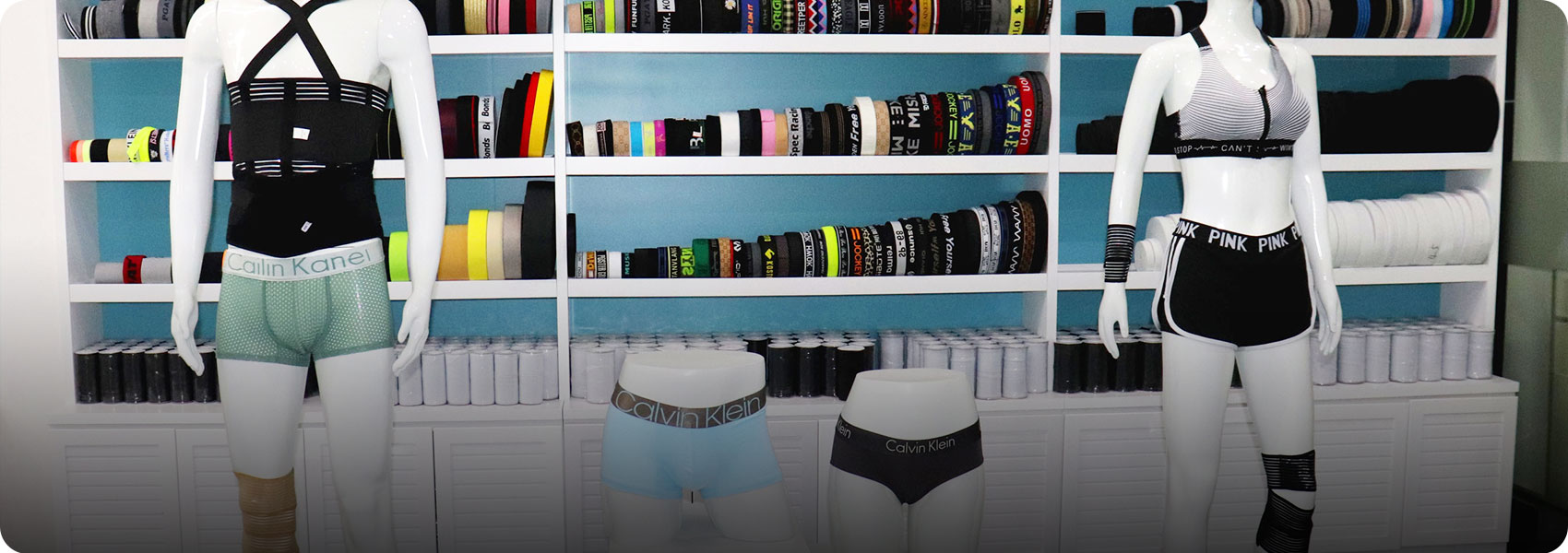
Activewear design requires materials that balance flexibility, comfort, and durability, and waistband elastic from an elastic band factory plays a central role in achieving this balance. Selecting the right type of elastic can influence not only the fit of a garment but also its breathability, moisture management, and long-term wear. Understanding the variety of elastic types and how they function in different applications can guide manufacturers and designers in creating activewear that meets practical needs without compromising movement or comfort.
Key Elastic Types for Breathable Activewear
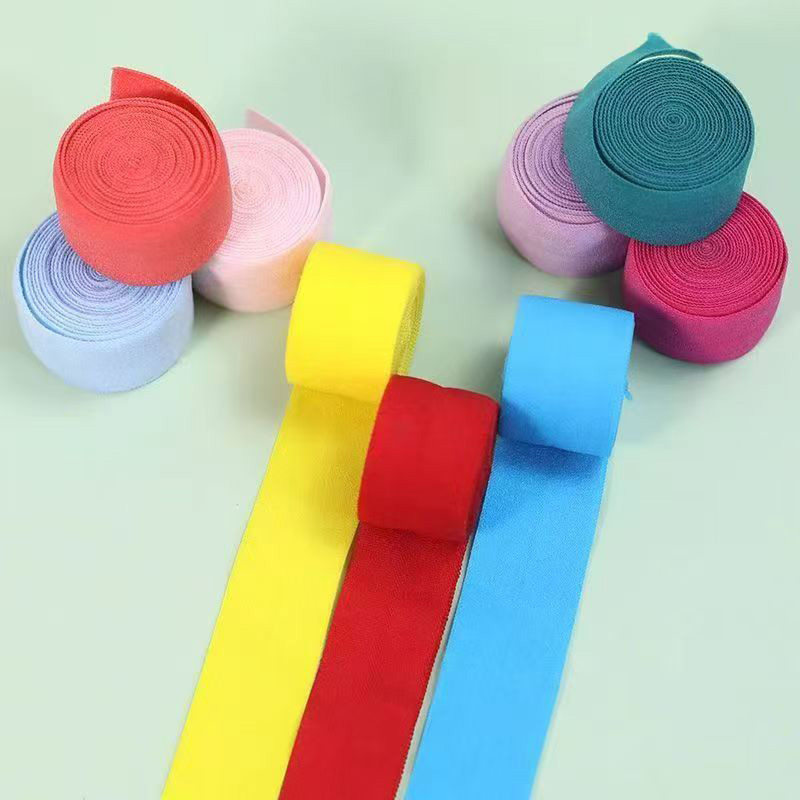
Waistband elastics come in several forms, each suited to specific types of activewear. Woven elastics are made by interlacing fibers tightly, creating a band with moderate stretch and firm support. They hold their shape well and are often used in leggings, shorts, or athletic skirts where consistent tension is required. Knitted elastics, in contrast, offer a softer texture and greater stretch, allowing the garment to adapt more easily to body movement. This type is often incorporated in yoga pants, lightweight tops, or running gear where comfort and flexibility are critical. Tubular elastics, which have a circular structure without exposed edges, provide smooth contact against the skin, reducing friction and irritation, making them suitable for high-movement zones or waistbands in fitted sportswear.
Practical Benefits of Breathable Waistband Elastics
When selecting elastic materials for activewear, breathability is an important consideration. Elastics that include open-knit or mesh-like structures allow air circulation and reduce the buildup of heat and moisture around the waist. This helps maintain comfort during prolonged physical activity. Additionally, some elastics are blended with fibers that have moisture-handling properties, which support sweat dispersion and improve wearability. Choosing the correct width and tension also affects how breathable the garment feels: wider bands can distribute pressure evenly while narrower bands may provide targeted support without compressing the body excessively.
Functional Considerations in Design
The way elastic bands are integrated into garments affects both comfort and usability. A well-placed waistband elastic can support the structure of leggings, shorts, or skirts without sliding or folding. Elastics with a flexible core combined with a soft outer layer help maintain fit over repeated use while reducing skin irritation. Adjustable or Y-shaped elastics allow easy modification for different waist sizes, accommodating a range of users with minimal need for alteration. Fabrics combined with elastic that have low friction surfaces or soft finishes can enhance comfort during intense movement, preventing chafing and improving overall wear experience.
Benefits in Manufacturing and Use
Elastic bands sourced from an elastic band factory offer practical advantages for both manufacturers and end users.
- Easy integration: Elastics can be sewn or fused into waistbands without complex adjustments, fitting standard production processes.
Consistency in performance: High-quality elastics maintain stretch over time, helping garments retain their intended shape after multiple washes.
Reduced adjustments: Pre-measured or cut-to-length elastics allow for efficient production and less waste.
- Versatility: Single types of elastics can be applied across multiple garment styles, reducing inventory needs and simplifying workflow.
These characteristics make them a convenient choice for activewear production, where both function and efficiency are valued.
Considerations for Longevity and Care
Activewear garments with waistband elastic are subject to repeated stretching, moisture exposure, and regular washing. Selecting elastics that are resistant to abrasion and maintain tension after repeated cycles helps garments stay functional for longer periods. Additionally, breathable elastics that handle moisture effectively can reduce discomfort from trapped sweat or heat. Proper care, including washing at recommended temperatures and avoiding harsh chemicals, contributes to the durability of the elastic and helps the garment maintain its fit.

-
Tel:
+86-18767935551
+86-18395959909
+86-18767935551
-
Email:
saijia@sjelasticband.com
claiejin@sjelasticband.com
luffy@sjelasticband.com
-
ADD:
3F, Building 6, No.151, Huasheng Road, niansanli Street, Yiwu City, Jinhua City, Zhejiang Province, China.
LEAVE A REQUEST
AND WE'L CONTANT YOU.
AND WE'L CONTANT YOU.
Copyright © Yiwu Saijia Garment Accessories Co., Ltd. All rights reserved.
Custom Elastic Bands
