

 English
 Español
 عربى
عربى Tiếng Việt
NEWS

Industry
 By Admin
How Does Elastic Band Factory Reduce Waste With Eco-Friendly Materials?
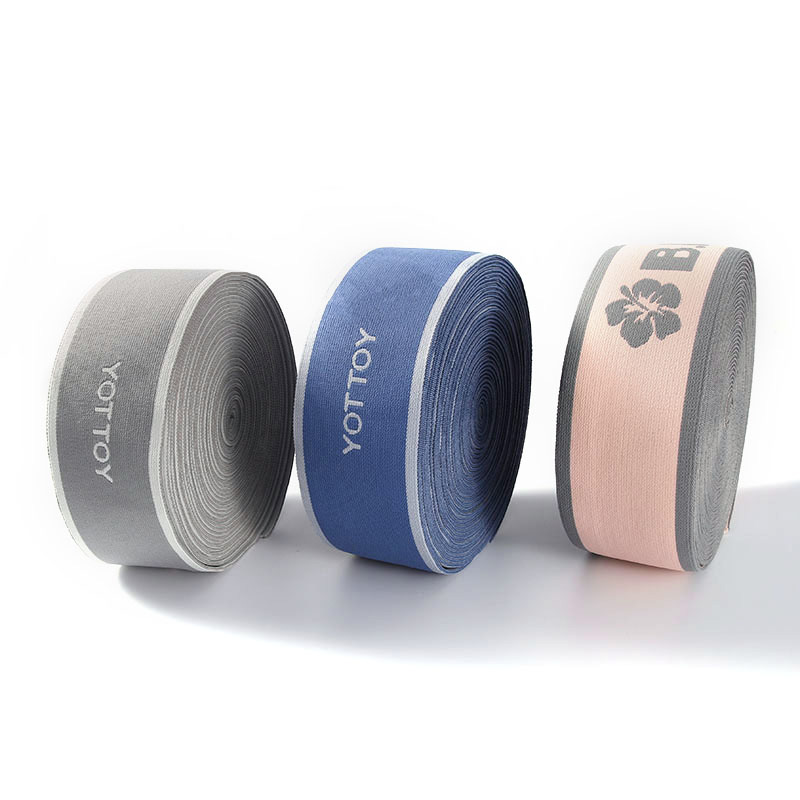
Managing resources efficiently has become a central concern for textile manufacturers, and materials from an elastic band factory, including waistband elastic, play a role in reducing overall waste. By using eco-friendly fibers and thoughtful production methods, manufacturers can limit the environmental impact of elastic production while maintaining usability for garments and accessories.
Eco-Friendly Materials and Resource Management
Waistband elastics and other elastic band products can be made using fibers derived from recycled or sustainably sourced materials. For example, polyester or nylon blends obtained from post-consumer plastics reduce the need for new synthetic production. Natural fibers, such as organic cotton or plant-based elastomers, can also provide elasticity while maintaining lower environmental impact. Using these materials allows production to focus on reducing the extraction of non-renewable resources, while maintaining functional performance in garments.
Eco-conscious materials can be incorporated into both woven and knitted elastics. Knitted elastics, due to their structure, allow more efficient use of fibers during production, as there is less waste compared with cut-and-sew methods that generate offcuts. Similarly, tubular elastics can be produced to required lengths, reducing excess material. These approaches contribute to a more sustainable workflow from factory to finished garment.
Production Methods That Limit Waste
Elastic band factories can adopt processes that focus on efficiency and careful material handling. Some methods include:
- Pre-measured production: Producing elastics in exact lengths needed for garments reduces leftover scraps.
- Integrated knitting or weaving: Combining fiber shaping and elasticity formation in a single step reduces material loss.
- Recycling offcuts: Leftover elastic can be reprocessed into smaller bands or reintegrated into blended fibers for future production.
- Energy-conscious machinery: Equipment optimized for consistent tension and breakage can prevent wasted material during manufacturing.
These practices not only reduce physical waste but also lower the energy and resources required per unit of elastic produced, supporting environmentally considerate operations.
Practical Applications in Garments
The choice of eco-friendly elastics does not compromise the range of garments in which they can be applied. Waistband elastics in leggings, shorts, skirts, and medical compression garments can incorporate recycled or sustainable fibers without affecting stretch or comfort. Adjustable elastics or Y-shaped designs can further extend usability by fitting a range of sizes, reducing the need for multiple production variants. Similarly, combining breathable or moisture-managing fibers with eco-conscious elastics provides practical benefits in activewear while maintaining sustainable material use. Designers and manufacturers can select materials that suit both performance and environmental goals, allowing garments to meet practical needs while limiting waste.
Maintenance and Longevity Considerations
Eco-friendly elastics also contribute to reduced waste during the garment’s lifecycle. Durable and resilient fibers maintain shape and elasticity over repeated use, lowering the likelihood of premature replacement. Proper care, such as washing at recommended temperatures and avoiding harsh chemicals, supports longevity while keeping maintenance simple for end users. Fabrics paired with these elastics can retain comfort and flexibility, enabling the garment to remain functional for extended periods.
- Reusability of offcuts: Small elastic segments can be repurposed in accessories or secondary products.
- Consistent tension retention: Reduces distortion or sagging that might otherwise result in discarded garments.
- Compatibility with various fabrics: Enables integration into multiple garment types, decreasing production variability and excess stock.
Integrating Eco-Friendly Elastics Into Production Workflows
Adopting sustainable elastic materials involves careful planning in garment design and manufacturing. Selecting elastics that meet both functional and environmental criteria allows production lines to operate efficiently without generating unnecessary waste. Manufacturers can combine recycled fibers with standard fabrics or blend different fiber types to create elastics suitable for various applications, from casual wear to performance-oriented activewear. This approach ensures that resource use is considered at every stage, from raw material sourcing to finished garment delivery.

-
Tel:
+86-18767935551
+86-18395959909
+86-18767935551
-
Email:
saijia@sjelasticband.com
claiejin@sjelasticband.com
luffy@sjelasticband.com
-
ADD:
3F, Building 6, No.151, Huasheng Road, niansanli Street, Yiwu City, Jinhua City, Zhejiang Province, China.
LEAVE A REQUEST
AND WE'L CONTANT YOU.
AND WE'L CONTANT YOU.
Copyright © Yiwu Saijia Garment Accessories Co., Ltd. All rights reserved.
Custom Elastic Bands
