

 English
 Español
 عربى
عربى Tiếng Việt
NEWS

Industry
 By Admin
How Are Waistband Elastic Trends Shaping Modern Casual Wear Styles?
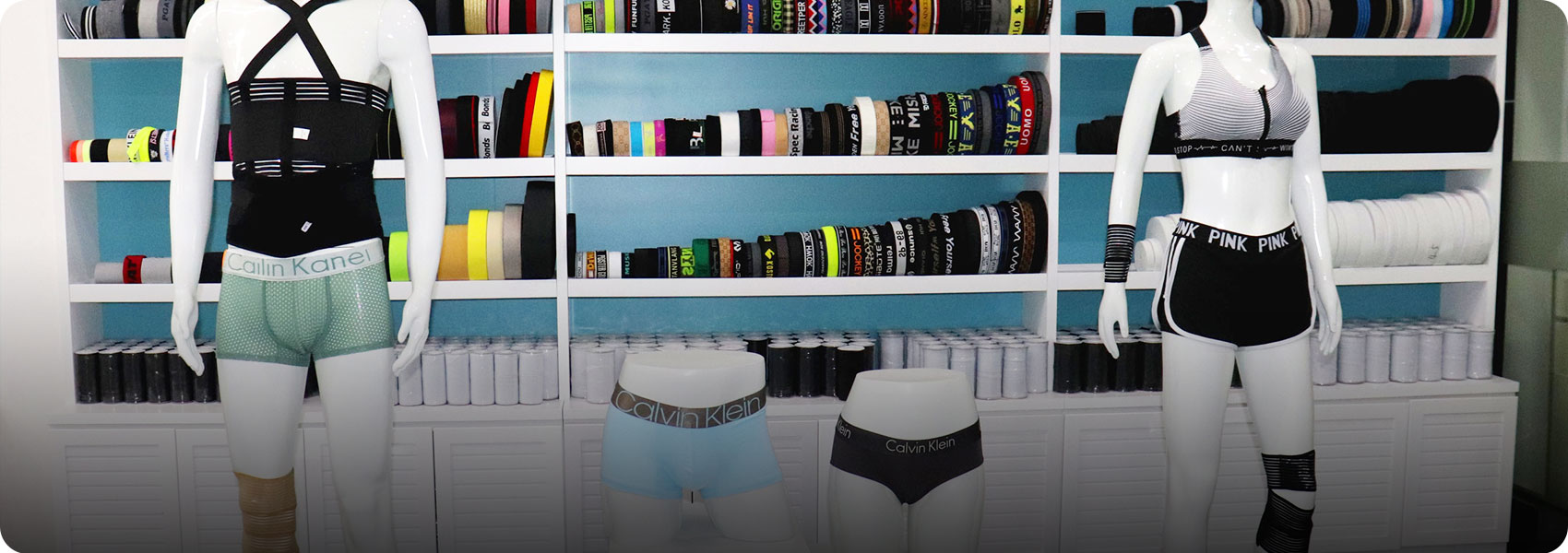
Waistband elastic sourced from an elastic band factory has evolved beyond a simple functional component into a design element that influences modern casual wear. Understanding how elastic types, structures, and finishes are applied can help designers create garments that balance comfort, adaptability, and style. These trends demonstrate that material selection and integration play a significant role in shaping everyday clothing while maintaining practical usability.
Diverse Elastic Types Influencing Design
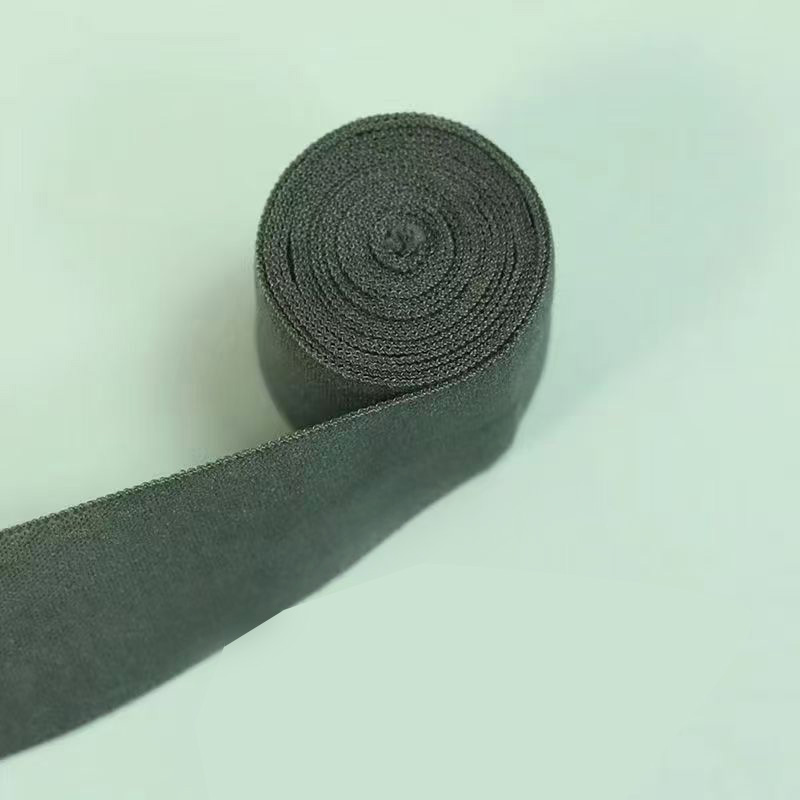
Casual wear today often incorporates a variety of elastic bands, each selected for its specific properties. Knitted elastics are increasingly favored for lightweight pants, joggers, and skirts, as they provide a softer hand feel and greater stretch that adapts to body movement. Woven elastics, with a firmer structure, offer consistent support for waistbands in shorts or casual trousers where stability is preferred. Tubular elastics, which provide smooth edges against the skin, are often used in garments that require minimal irritation or where seams might otherwise rub. Designers can combine these types in a single garment, using narrower elastics for subtle accents or wider bands for visible style statements, allowing flexibility in both fit and appearance.
Integration of Functional and Visual Elements
Modern casual wear increasingly blends functionality with visible design elements. Waistband elastics can be integrated to create patterns, color contrasts, or branded details, enhancing the visual appeal of the garment. Decorative stitching, prints, or overlays applied to elastic bands not only complement the fabric but also allow the elastic to contribute to the garment’s overall aesthetic. These trends encourage manufacturers to consider how elastic width, texture, and finish can support both movement and design requirements, resulting in clothing that adapts comfortably to the wearer while adding stylistic interest.
Practical Applications and Fit Adjustments
The application of waistband elastic extends beyond visual appeal, supporting practical fit and adjustability. Many casual garments now feature elastics that allow for flexible sizing, accommodating a range of body types with minimal alteration. Adjustable elastics, such as those with internal drawstrings or Y-shaped splits, offer versatility while maintaining a clean exterior look. This adaptability reduces the need for multiple size variants and supports consumer convenience, making garments easier to wear and manage across different activities.
- Consistent fit: Elastic maintains garment shape over repeated wear.
- Ease of assembly: Elastics can be incorporated with standard sewing techniques without requiring specialized machinery.
- Flexibility in styling: Different widths or finishes allow designers to modify appearance while maintaining comfort.
- Durability: Elastics retain their stretch over time, supporting extended usability of casual wear.
Trends in Comfort and Breathability
Consumer preferences are also shaping elastic selection in casual wear. Breathable elastics, featuring open-knit structures or moisture-managing fibers, are increasingly used in pants, skirts, and shorts to enhance comfort during daily activities. Combining softness and flexibility, these elastics help garments move naturally with the body while providing gentle support without constriction. Such design choices reflect an awareness of both material characteristics and practical wear considerations, encouraging manufacturers to choose elastics that balance comfort, longevity, and appearance.
Considerations for Production and Sustainability
Elastic band factories are responding to these trends by offering materials that are easier to handle, reduce waste, and maintain consistent performance. Pre-measured bands, eco-conscious fibers, and standardized widths simplify production while allowing designers to explore creative garment features. By selecting elastics suited for both fit and design, manufacturers can produce casual wear that aligns with modern preferences without excessive material loss or complicated assembly requirements. The practical alignment of material properties and garment design supports both efficiency in production and a functional end product for consumers.
Trends in waistband elastic demonstrate that casual wear can integrate both comfort and style without compromising usability. From adjustable designs to decorative finishes, the evolution of elastic types supports garments that adapt naturally to different body types and movements. Considering material characteristics, fit, and aesthetic potential allows manufacturers to design casual wear that responds to contemporary consumer expectations while maintaining practical application.

-
Tel:
+86-18767935551
+86-18395959909
+86-18767935551
-
Email:
saijia@sjelasticband.com
claiejin@sjelasticband.com
luffy@sjelasticband.com
-
ADD:
3F, Building 6, No.151, Huasheng Road, niansanli Street, Yiwu City, Jinhua City, Zhejiang Province, China.
LEAVE A REQUEST
AND WE'L CONTANT YOU.
AND WE'L CONTANT YOU.
Copyright © Yiwu Saijia Garment Accessories Co., Ltd. All rights reserved.
Custom Elastic Bands
