

 English
 Español
 عربى
عربى Tiếng Việt
NEWS

Industry
 By Admin
Where Can Elastic Band Factory Materials Be Used Efficiently?
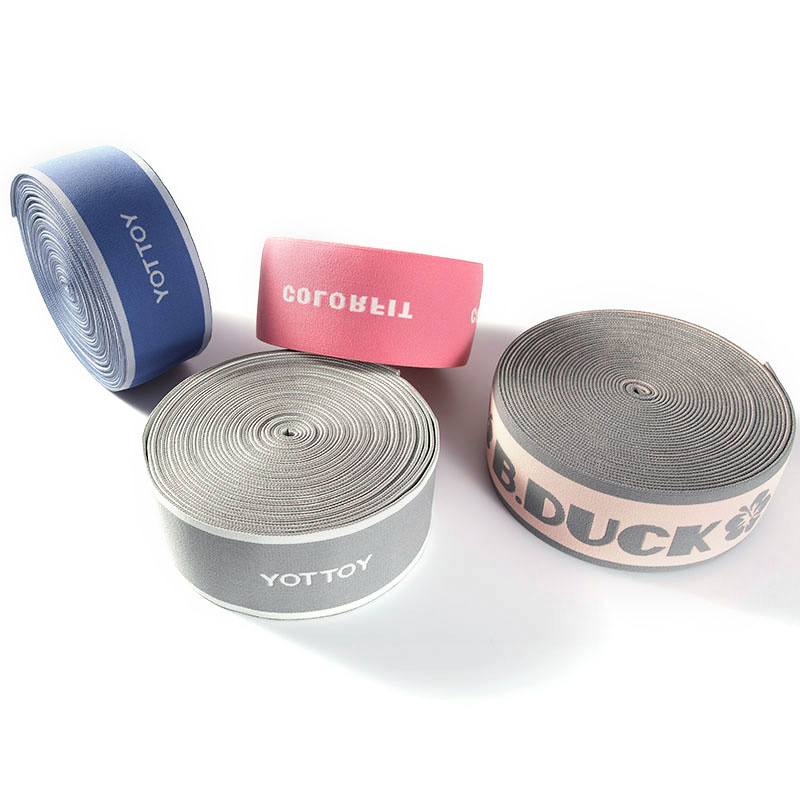
Elastic materials from an elastic band factory, including waistband elastic, have a wide range of applications in industries where flexibility, comfort, and durability are important. Understanding how these materials can be utilized effectively helps designers, manufacturers, and end users make informed choices when integrating elastic bands into garments, accessories, and other products.
Flexible Applications in Apparel
Waistband elastic and other elastic band materials are commonly applied in clothing where adaptable fit is required. In sportswear, elastic bands allow garments to conform comfortably to the body while supporting movement. They are used in waistbands, cuffs, and straps to accommodate different body sizes and reduce shifting during activity. Similarly, in casual and work clothing, elastic bands provide convenience for quick adjustments, such as in pull-on pants, skirts, and fitted tops. Their ability to retain shape over repeated use ensures that clothing maintains a consistent fit even after multiple washes and wear cycles.
In medical garments, elastic materials help provide gentle compression and support without restricting motion. Products such as braces, compression sleeves, and post-operative clothing rely on elastic bands for both adjustability and comfort. Swimwear and activewear also make extensive use of elastic bands, which help maintain the structure of garments in wet conditions while allowing for freedom of movement.
Design and Customization Advantages
The shape and construction of elastic bands can influence their application in different products. For instance, Y-shaped or split elastic bands allow for improved distribution of tension, which can be particularly useful in sports or medical garments. Bands that feature an opening or adjustable design provide easy fitting for a variety of body shapes and sizes, reducing the need for additional fasteners or alterations. Designers can select from a range of widths, thicknesses, and elasticity levels to tailor the band to a specific garment or accessory, enabling both functional and stylistic flexibility.
Practical Benefits in Everyday Use
Elastic bands are not limited to clothing applications. They can also be integrated into accessories such as bags, belts, and straps, where stretchability allows for comfortable use and secure closure. In sports equipment, elastic bands can be used in adjustable straps, grips, and supports that require tension but need to be flexible for repeated use. The durability of well-manufactured bands ensures they withstand frequent stretching and stress without losing effectiveness.
Easy adjustment for varying sizes: Suitable for garments or accessories that accommodate different users.
Resistant to wear and tear: Maintains elasticity after repeated stretching and use.
Comfort and movement support: Provides flexibility without excessive pressure or restriction.
Maintenance and Longevity Considerations
When using elastic materials from an elastic band factory, care and handling are important for ensuring long-term performance. Many elastic bands can be machine washed and dried under standard conditions without significant loss of elasticity. However, exposure to high heat or harsh chemicals may reduce lifespan. Selecting bands that combine breathable fibers and moisture-handling features can improve comfort in garments and reduce the likelihood of material degradation in demanding environments.
Eco-Friendly and Cost-Effective Options
Some elastic bands are manufactured with sustainability in mind, using materials that minimize environmental impact. Choosing such bands can provide both practical and ecological benefits. In addition, high-quality bands can reduce replacement frequency, which can help manage production and maintenance costs. Their versatility allows a single type of band to be applied across multiple products, which can simplify inventory management for manufacturers.
Integration Into Production Workflows
Elastic bands from a factory are generally easy to integrate into various production processes. Whether sewn into garments, woven into accessories, or applied as functional components in medical and athletic equipment, bands can be incorporated without complex adjustments to existing manufacturing lines. Their adaptability in terms of width, shape, and tension allows designers and manufacturers to standardize certain components while maintaining performance across different applications.

-
Tel:
+86-18767935551
+86-18395959909
+86-18767935551
-
Email:
saijia@sjelasticband.com
claiejin@sjelasticband.com
luffy@sjelasticband.com
-
ADD:
3F, Building 6, No.151, Huasheng Road, niansanli Street, Yiwu City, Jinhua City, Zhejiang Province, China.
LEAVE A REQUEST
AND WE'L CONTANT YOU.
AND WE'L CONTANT YOU.
Copyright © Yiwu Saijia Garment Accessories Co., Ltd. All rights reserved.
Custom Elastic Bands
