

 English
 Español
 عربى
عربى Tiếng Việt
NEWS

Industry
 By Admin
Reducing Garment Returns Through Better Knitted Elastic Band Selection
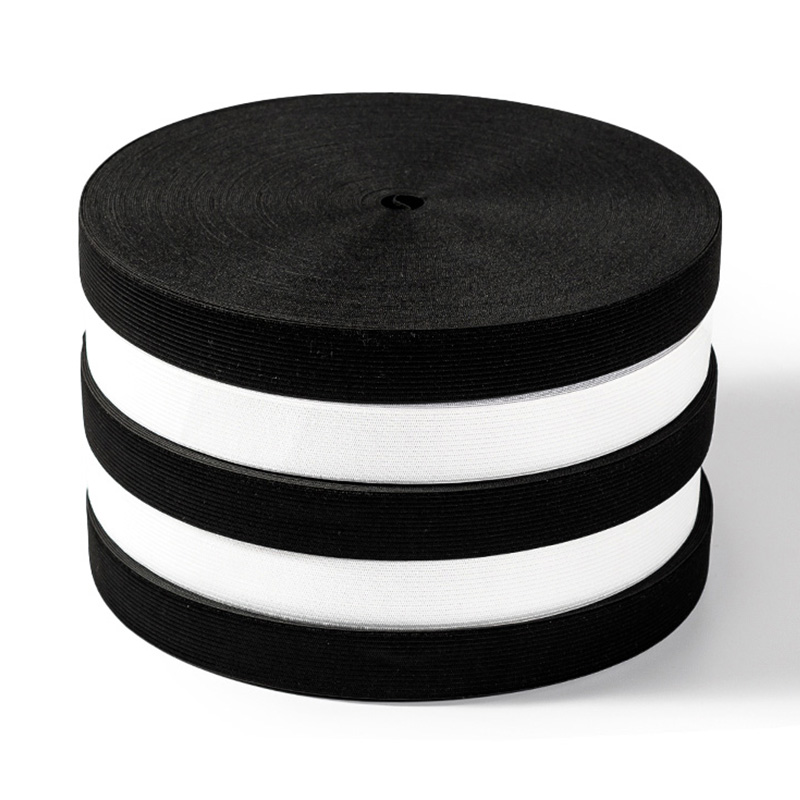
Garment fit problems are not always caused by pattern design or fabric quality. In many cases, the elastic component plays an important role in how clothing fits after sewing, stretching, and washing. For apparel brands and textile buyers, selecting the right Knitted Elastic Band can help prevent loose waistbands, uncomfortable cuffs, and inconsistent sizing. As a manufacturer, we encourage buyers to evaluate elastic performance in real garment applications before confirming bulk production, especially when developing products for everyday wear, sportswear, and underwear.
Identifying the Source of Poor Garment Fit
When a waistband becomes loose or a cuff no longer holds its shape, the cause may be insufficient recovery, unsuitable elastic tension, or a mismatch between the elastic and the garment fabric. Replacing the material without identifying the problem can lead to repeated sampling costs.
We recommend checking the garment at several stages: before sewing, immediately after assembly, and after repeated stretching or washing. Comparing these results helps determine whether the issue comes from the elastic itself, the sewing process, or the garment pattern.
Selecting Stretch Levels for Different Applications
Not every garment requires the same amount of stretch. Underwear needs flexibility and a comfortable fit, while leggings and sportswear may require more consistent support during movement. Waistbands on casual trousers must also maintain their position without creating excessive pressure.
When sourcing a knitted elastic band for apparel, buyers should consider the following factors:
- Stretch range: Confirm that the band extends sufficiently for the garment's intended use.
- Recovery: Check whether it returns toward its original length after extension.
- Width and thickness: Make sure the dimensions suit the waistband, cuff, or other application.
- Surface feel: Evaluate softness and flexibility, particularly for garments worn directly against the skin.
Testing these characteristics together provides a clearer picture of how the elastic will perform in production.
Avoiding Puckering and Uneven Waistbands
Puckering around an elastic waistband can affect both garment appearance and wearer comfort. One possible cause is a difference between the elastic's tension and the fabric's ability to stretch. Incorrect feeding speed, inconsistent sewing tension, and unsuitable stitch settings can also contribute to the problem.
Before changing the garment pattern, manufacturers should test the elastic and fabric combination on the actual sewing equipment. Adjusting the feeding method and stitch settings may help achieve more even gathering. If the problem continues, review the elastic's width, stretch behavior, and compatibility with the fabric.
Checking Performance After Washing
An elastic band may appear satisfactory during initial inspection but behave differently after laundering. Heat, detergent, repeated extension, and drying conditions can affect its performance, depending on the materials and construction.
For this reason, we recommend conducting washing tests that reflect the garment's care instructions. Measure the finished garment before and after testing, then compare waistband dimensions, tension, and visible surface changes. These checks help buyers assess knitted elastic band durability without relying solely on the material's appearance when new.
Improving Quality Control Before Bulk Production
Consistent material quality helps reduce sewing interruptions and finished-product variations. Buyers should establish acceptance criteria before placing repeat orders instead of relying on informal visual checks.
A practical inspection process can include incoming measurements, stretch and recovery comparisons, color matching, and sample sewing trials. Keeping an approved reference sample also helps production teams identify differences between incoming rolls and previously accepted materials.
Communicating Specifications With Your Manufacturer
Incomplete specifications can create avoidable delays during sampling. A request that only states the required color or width may leave important performance requirements unclear.
When discussing a custom knitted elastic band, provide the garment type, intended placement, fabric composition, expected stretch behavior, washing conditions, and appearance requirements. Reference samples, where available, can help clarify the target feel and construction. As a manufacturer, we use these details to evaluate material suitability and align sampling with the buyer's production needs.
Building More Reliable Garment Fit
Reliable garment fit depends on the relationship between elastic construction, fabric behavior, sewing methods, and end-use conditions. Evaluating these factors before mass production gives apparel brands a practical way to reduce quality problems and unnecessary rework. By selecting a Knitted Elastic Band that matches the application and confirming its performance through realistic testing, buyers can support consistent sizing, comfortable wear, and dependable finished-garment quality.

-
Tel:
+86-18767935551
+86-18395959909
+86-18767935551
-
Email:
saijia@sjelasticband.com
claiejin@sjelasticband.com
luffy@sjelasticband.com
-
ADD:
3F, Building 6, No.151, Huasheng Road, niansanli Street, Yiwu City, Jinhua City, Zhejiang Province, China.
LEAVE A REQUEST
AND WE'L CONTANT YOU.
AND WE'L CONTANT YOU.
Copyright © Yiwu Saijia Garment Accessories Co., Ltd. All rights reserved.
Custom Elastic Bands
