

 English
 Español
 عربى
عربى Tiếng Việt
NEWS

Industry
 By Admin
How Knitted Elastic Band Quality Affects Stretch Recovery and Garment Fit
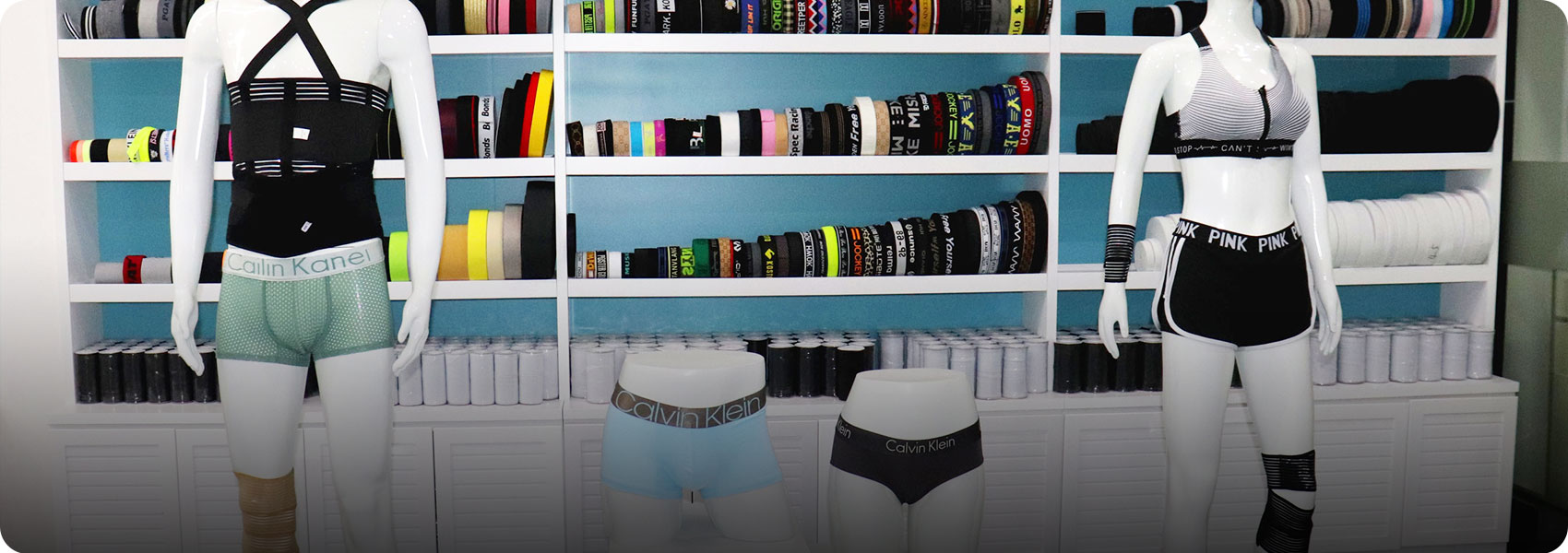
Knitted Elastic Band plays an important role in keeping garments comfortable, secure, and wearable over time. For apparel manufacturers and textile buyers, problems such as loose waistbands, uneven stretching, and loss of elasticity after repeated washing can lead to customer complaints and production waste. As a manufacturer, we focus on helping buyers select elastic bands that match the fabric, garment structure, and intended use, rather than choosing materials based on appearance alone.
Matching Elastic Stretch to Garment Requirements
Different garments place different demands on elastic materials. Underwear requires a soft feel against the skin, while sportswear needs reliable support during movement. Children's clothing often calls for gentle tension that allows easy dressing without excessive pressure.
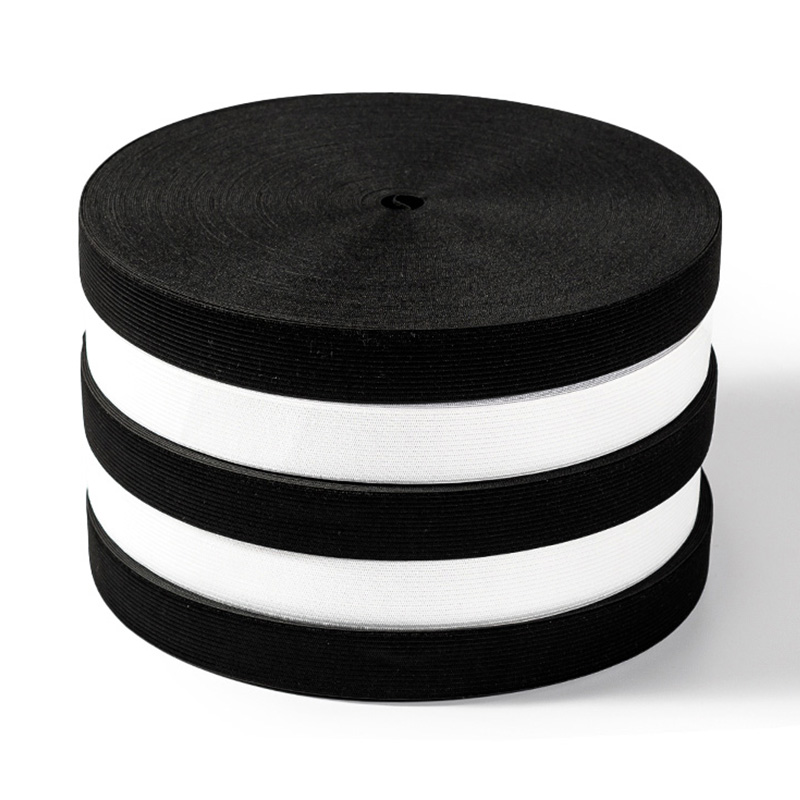
When selecting a knitted elastic band for clothing, buyers should consider the required stretch range, width, thickness, and recovery after extension. An elastic band that feels suitable when handled may behave differently once sewn into a waistband or cuff. Testing it within the actual garment structure helps prevent fit problems during mass production.
Preventing Elasticity Loss After Repeated Use
Elasticity loss is a common concern for brands developing everyday clothing and activewear. Repeated stretching, washing, drying, and exposure to body heat can affect the performance of elastic components.
We recommend evaluating samples under conditions that reflect the product's intended use. Check whether the band returns to its original length after stretching and whether its tension remains consistent after washing. These checks help buyers assess knitted elastic band stretch recovery before approving a material for bulk orders.
Choosing the Right Structure for Fabric Compatibility
Knitted elastic bands are made by interlooping yarns, creating a flexible structure suitable for many apparel applications. Their performance depends on the yarn selection, knitting structure, finishing process, and overall construction.
Compatibility with the base fabric also matters. A lightweight knit garment may require a softer, more flexible band, whereas heavier clothing may need greater resistance to repeated tension. During sample evaluation, inspect the sewn edge for puckering, twisting, and visible differences in tension. These signs can indicate that the elastic and fabric are not working well together.
Managing Sewing Problems on the Production Line
Elastic materials can create difficulties during high-volume garment assembly if their dimensions or tension vary between batches. Operators may encounter uneven gathering, slipping during feeding, or inconsistent waistband measurements.
To reduce these problems, manufacturers should establish clear incoming inspection procedures:
- Measure band width and thickness against the approved sample.
- Compare stretch and recovery across different sections of the roll.
- Check edge stability and surface consistency before cutting.
- Test the band with the intended stitch type and fabric combination.
These practical checks help identify material issues before they affect a large production run.
Evaluating Comfort and Skin Contact
Comfort is influenced by more than stretch alone. Surface softness, edge construction, and the pressure applied to the body all affect how a finished garment feels. For underwear, sleepwear, and children's apparel, buyers should pay particular attention to rubbing, tightness, and irritation during wear testing.
A knitted elastic band with suitable softness and controlled tension can support a comfortable fit without making the garment feel restrictive. We encourage buyers to assess samples in the finished product because sewing methods and garment patterns can change how the elastic feels against the skin.
Maintaining Consistency Across Bulk Orders
For apparel brands and importers, an approved sample is only useful when subsequent batches deliver comparable performance. Differences in width, color, stretch, or finishing can affect garment appearance and assembly efficiency.
As a manufacturer, we recommend documenting the approved specifications and inspection criteria before production begins. Buyers should also communicate the end-use application, expected washing conditions, color requirements, and packaging preferences clearly. This gives both parties a practical reference for quality checks and reduces avoidable misunderstandings during repeat orders.
Selecting Elastic Bands for Long-Term Product Performance
Choosing the right elastic component requires a balance between comfort, recovery, fabric compatibility, and production stability. Rather than judging a material by hand feel alone, buyers should evaluate its performance through sewing trials and application-specific testing. A well-matched Knitted Elastic Band can help apparel manufacturers maintain consistent fit, reduce assembly difficulties, and deliver garments that remain comfortable through regular use.

-
Tel:
+86-18767935551
+86-18395959909
+86-18767935551
-
Email:
saijia@sjelasticband.com
claiejin@sjelasticband.com
luffy@sjelasticband.com
-
ADD:
3F, Building 6, No.151, Huasheng Road, niansanli Street, Yiwu City, Jinhua City, Zhejiang Province, China.
LEAVE A REQUEST
AND WE'L CONTANT YOU.
AND WE'L CONTANT YOU.
Copyright © Yiwu Saijia Garment Accessories Co., Ltd. All rights reserved.
Custom Elastic Bands
