

 English
 Español
 عربى
 Tiếng Việt
NEWS

Industry
 By Admin
Preventing Elastic Twisting in Garment Waistbands During Production
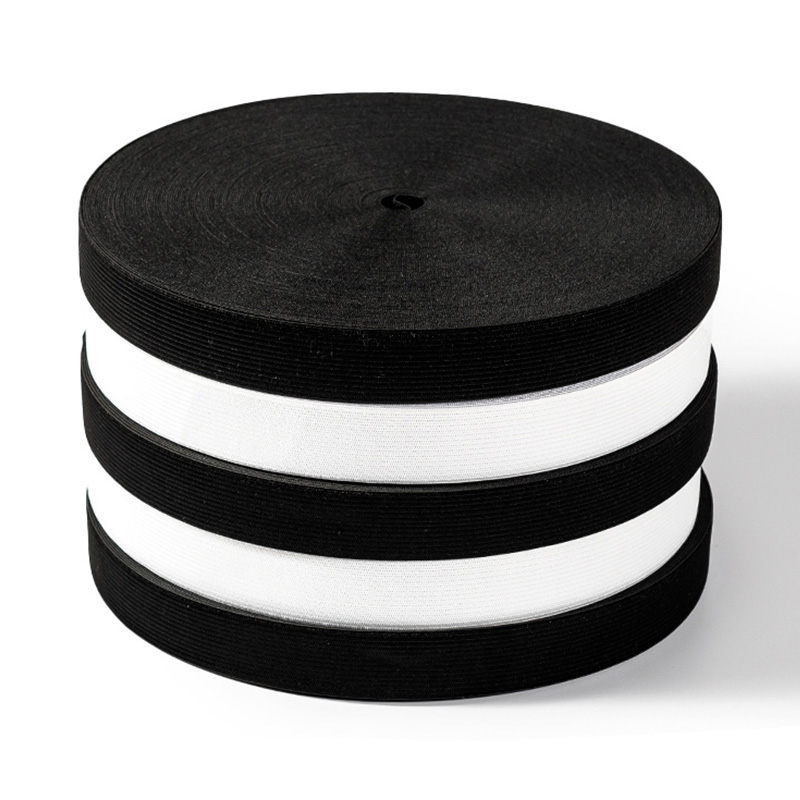
A waistband that twists, folds, or rolls during wear can turn an otherwise well-made garment into a source of customer complaints. For clothing brands, sewing factories, and textile importers, the problem may involve the elastic structure, waistband dimensions, or assembly method rather than the garment fabric alone. Choosing the right Knitted Elastic Band and checking how it behaves after installation can help prevent these issues before bulk production begins. As a manufacturer, we focus on matching elastic construction with the practical demands of each garment application.
Understanding the Causes of Waistband Rolling
Waistband rolling often occurs when the elastic cannot maintain a stable position inside the garment. A narrow band used in a wide casing, uneven tension during sewing, or insufficient support from the surrounding fabric may contribute to the problem.
The garment pattern also matters. If the waistband opening and elastic length are poorly matched, the elastic may gather unevenly and create localized pressure. Before changing materials, manufacturers should inspect the finished waistband and determine whether the issue comes from the elastic, the casing, or the sewing process.
Selecting a Suitable Elastic Width
Elastic width affects how tension is distributed across a waistband. A band that is too narrow for the intended application may concentrate pressure in a smaller area, while a wider band may require a different casing design and sewing setup.
When sourcing a knitted elastic band for waistbands, buyers should consider the garment's weight, fit, fabric stretch, and available sewing space. The selected width should work with the garment pattern rather than being treated as an isolated specification. Testing several suitable samples in the actual garment can reveal differences that are difficult to identify from product descriptions alone.
Checking Stretch and Recovery Before Sewing
An elastic band must stretch sufficiently for dressing and movement while recovering enough to help the garment retain its intended fit. If recovery is inconsistent, the waistband may gradually lose tension or become uneven after repeated use.
We recommend evaluating samples through repeated extension and release, followed by inspection of their length and surface condition. Buyers should also compare different sections of the same roll to identify noticeable variation. These checks provide useful information about knitted elastic band stretch recovery before the material enters the production line.
Reviewing Sewing Techniques and Casing Design
Even a suitable elastic material can perform poorly when the sewing method is inappropriate. Uneven feeding, excessive machine tension, and insufficient control during attachment can cause the band to twist or bunch up.
Production teams can investigate the issue by checking:
- Whether the elastic is distributed evenly around the waistband.
- Whether the stitch type allows the required garment stretch.
- Whether the casing provides enough room for the elastic to lie flat.
- Whether the elastic ends are securely joined without creating a bulky section.
Small adjustments to sewing settings or casing dimensions may resolve the problem without requiring a complete material change.
Testing Performance in Finished Garments
Testing loose elastic samples is useful, but it cannot fully reproduce the conditions of a completed garment. Fabric thickness, seam placement, waistband shape, and body movement all influence how the elastic behaves during wear.
Before approving a new material, sew a sample using the intended fabric and production method. Check whether the waistband remains flat when the garment is worn, stretched, removed, and washed according to its care instructions. For activewear and fitted underwear, movement-based testing is particularly useful because the waistband experiences repeated changes in tension.
Improving Communication With Elastic Suppliers
Clear specifications help manufacturers recommend suitable materials and reduce unnecessary sampling. Instead of requesting only a particular color or width, buyers should explain the garment type, waistband construction, desired tension, fabric characteristics, and expected washing conditions.
Reference samples and notes about previous production problems can also help identify the source of twisting or rolling. For repeat orders, retaining approved samples and recording material specifications gives both parties a consistent basis for inspection.
Building More Stable Waistbands With the Right Material
Preventing waistband rolling requires coordination between elastic selection, garment design, and sewing conditions. Evaluating these factors together can help apparel manufacturers reduce rework and deliver a more comfortable fit. By choosing a Knitted Elastic Band suited to the intended application and validating it through finished-garment testing, buyers can make more informed material decisions and support consistent production quality.

-
Tel:
+86-18767935551
+86-18395959909
+86-18767935551
-
Email:
saijia@sjelasticband.com
claiejin@sjelasticband.com
luffy@sjelasticband.com
-
ADD:
3F, Building 6, No.151, Huasheng Road, niansanli Street, Yiwu City, Jinhua City, Zhejiang Province, China.
LEAVE A REQUEST
AND WE'L CONTANT YOU.
AND WE'L CONTANT YOU.
Copyright © Yiwu Saijia Garment Accessories Co., Ltd. All rights reserved.
Custom Elastic Bands
