

 English
 Español
 عربى
 Tiếng Việt
NEWS

Industry
 By Admin
Improving Color Consistency in Knitted Elastic Band Production
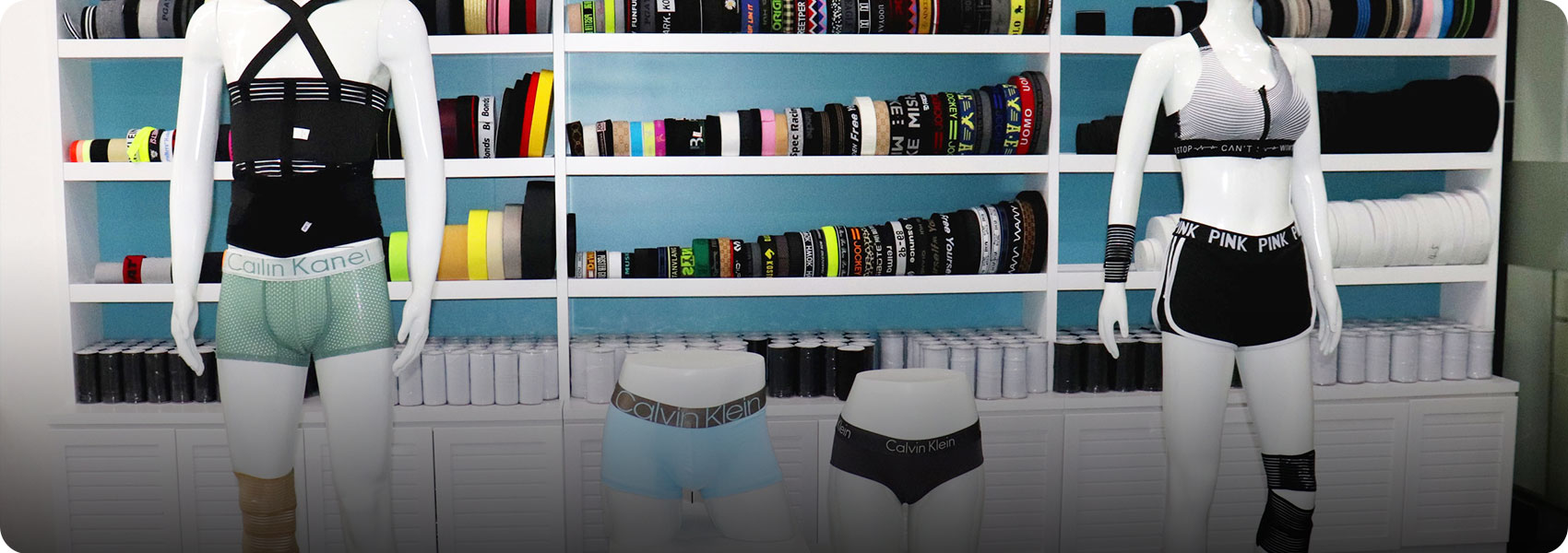
Color inconsistency in elastic trims can create unexpected problems for apparel brands, especially when the elastic remains visible on waistbands, underwear, sportswear, or children's clothing. Even a slight difference between the elastic and the main fabric may affect the finished garment's appearance and lead to additional sorting or rework. As a manufacturer, we understand that selecting a Knitted Elastic Band involves more than matching a color sample. Buyers also need consistent appearance across production batches, compatibility with garment fabrics, and reliable performance during sewing and washing.
Understanding Why Color Differences Occur
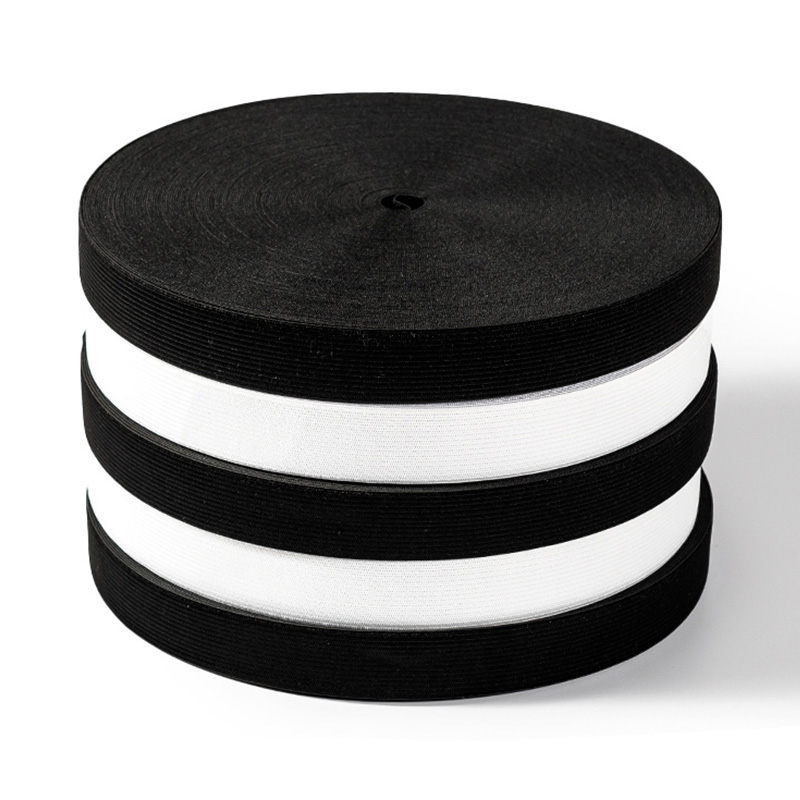
Color variation can develop during yarn preparation, dyeing, finishing, or subsequent processing. Different yarn materials may also absorb dyes differently, making it difficult to achieve the same shade across components with different fiber compositions.
For buyers ordering elastic bands in custom colors, the first step is to confirm the material composition and intended color standard. A visual reference alone may not fully communicate the expected shade, particularly when several suppliers are involved. Providing an approved physical sample or a recognized color reference gives the manufacturer a clearer target for production.
Matching Elastic Colors With Main Fabrics
Matching elastic to the garment fabric can be challenging because the two materials may have different surface textures and light-reflecting properties. Two components can use a similar color formula but still appear different when placed side by side.
We recommend checking color samples under consistent lighting and against the actual fabric intended for production. Buyers should also assess the materials in the finished garment rather than judging each component separately. This is particularly important for exposed waistbands, fitted tops, underwear, and sportswear, where color differences are easy to notice.
Establishing Clear Color Approval Procedures
A structured approval process helps reduce misunderstandings between buyers and manufacturers. Before confirming a bulk order, both parties should agree on the acceptable color range and the method used to assess finished material.
A practical process includes:
- Confirming the required color using a physical sample or color reference.
- Reviewing the sample under consistent lighting conditions.
- Checking the elastic against the intended garment fabric.
- Retaining an approved sample for comparison during later production.
- Documenting any acceptable variation before manufacturing begins.
These steps provide a shared reference for quality inspection and help prevent avoidable disputes after delivery.
Checking Color Fastness During Use
Color matching is only part of the evaluation. Elastic components may also encounter sweat, detergent, friction, and repeated washing during normal garment use. If color fastness is unsuitable for the application, the elastic may fade or transfer color to adjacent fabric.
For garments worn close to the skin or washed frequently, buyers should request relevant color-fastness testing based on the product's intended use. Testing should follow an appropriate method and specified conditions rather than relying on appearance alone. This helps determine whether the material meets the garment's care and performance requirements.
Considering the Effect of Finishing Processes
Finishing treatments can influence the appearance, softness, and handling characteristics of elastic materials. Changes in processing conditions may also affect how a dyed surface looks after production.
When developing a custom knitted elastic band, buyers should communicate whether softness, surface texture, or other finishing characteristics are important to the final application. Any changes to the approved construction or finishing process should be reviewed before repeat orders proceed. Keeping material specifications consistent makes it easier to investigate color differences when they occur.
Maintaining Batch-to-Batch Consistency
For importers and apparel manufacturers, repeat-order consistency matters because garments from different production runs may be sold together. Noticeable shade differences can complicate inventory management and create problems when replacement stock is needed.
Manufacturers can support consistency by maintaining approved references, recording relevant production specifications, and inspecting incoming and finished rolls. Buyers should also communicate forecast changes, revised color requirements, and intended delivery schedules early enough for sample confirmation and production planning.
Choosing a Reliable Knitted Elastic Band Supplier
Consistent color depends on clear specifications, suitable materials, controlled processing, and effective inspection. Buyers who evaluate these factors before bulk production can reduce color-matching issues and improve coordination between textile and garment suppliers. Working with an experienced manufacturer of Knitted Elastic Band products helps apparel brands establish practical approval procedures and select elastic materials that meet their appearance, sewing, and end-use requirements.

-
Tel:
+86-18767935551
+86-18395959909
+86-18767935551
-
Email:
saijia@sjelasticband.com
claiejin@sjelasticband.com
luffy@sjelasticband.com
-
ADD:
3F, Building 6, No.151, Huasheng Road, niansanli Street, Yiwu City, Jinhua City, Zhejiang Province, China.
LEAVE A REQUEST
AND WE'L CONTANT YOU.
AND WE'L CONTANT YOU.
Copyright © Yiwu Saijia Garment Accessories Co., Ltd. All rights reserved.
Custom Elastic Bands
