

 English
 Español
 عربى
عربى Tiếng Việt
NEWS

Industry
 By Admin
Jacquard Elastic Band Applications in Underwear Waistband Design Solutions
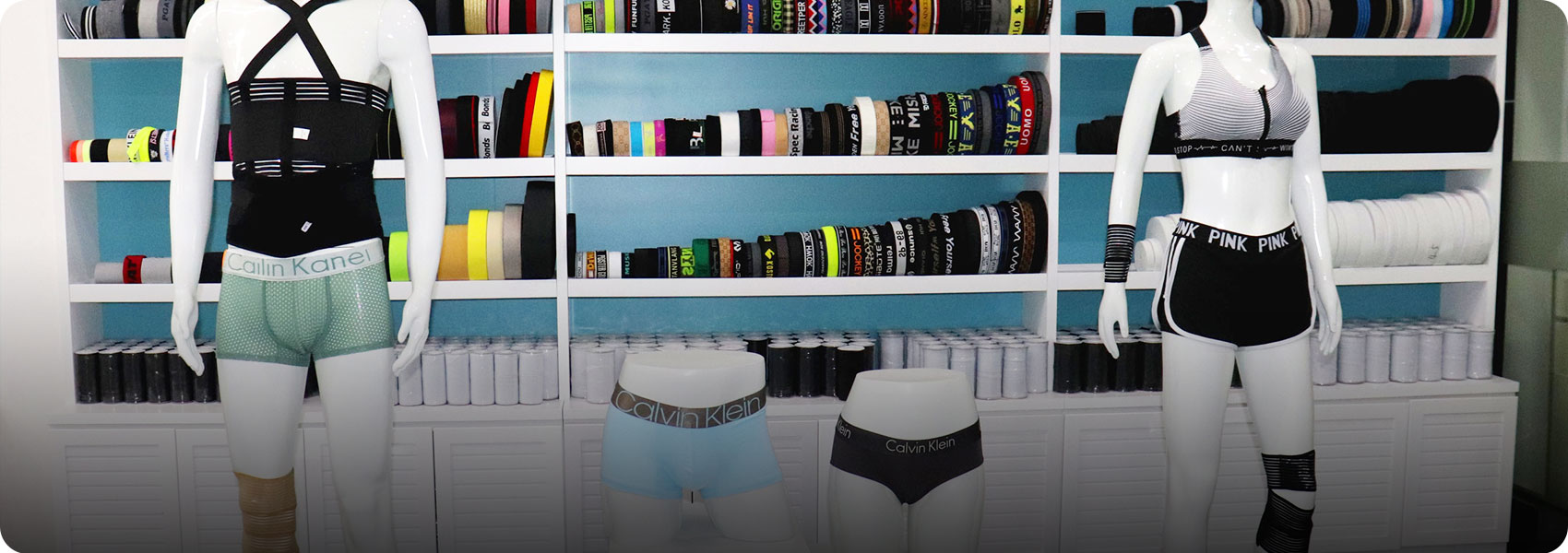
Modern underwear waistband development is no longer limited to basic holding function. It now combines comfort, visual identity, and structural stability within one component. Textile developers focus on how elastic materials perform in daily wear while also supporting brand expression.
In this context, Jacquard Elastic Band and Anti-Slip Elastic Band are often evaluated together in design planning. Jacquard structures emphasize woven patterns and appearance details, while anti-slip structures focus on stability during movement and wearing.
Visual Structure and Branding Expression
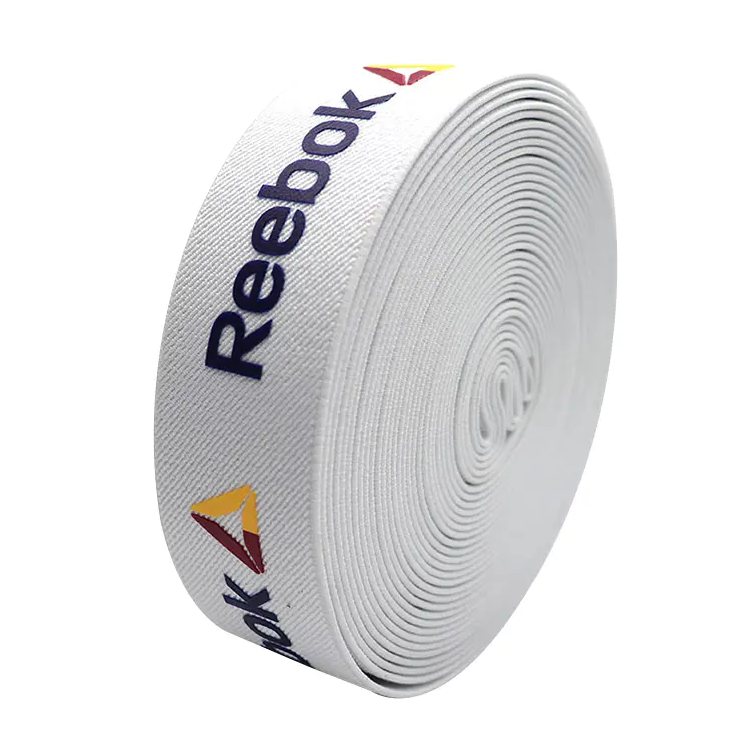
Jacquard weaving technology allows patterns, logos, and lettering to be directly integrated into elastic materials. This creates a permanent visual identity that becomes part of the waistband itself.
The Jacquard Elastic Band is widely used in underwear waistband design to support brand recognition and decorative structure. Pattern density, yarn color contrast, and weaving style all influence the final appearance.
In some cases, an Anti-Slip Elastic Band is added in inner layers when additional grip is required, especially for garments designed for movement or multi-scenario wear.
Comfort and Skin Contact Requirements
Since underwear waistbands stay in direct contact with skin, softness and pressure balance are essential. Jacquard structures must avoid rough texture while maintaining elasticity and shape recovery.
When anti-slip features are introduced, silicone or rubber grip points are usually applied. Anti-Slip Elastic Band elements must be carefully placed to avoid irritation while still maintaining functional stability.
A balanced structure allows both comfort and performance to coexist in daily wear.
Material Selection and Performance Balance
Elastic waistband materials are typically made from polyester, nylon, or blended yarns. These materials help maintain elasticity while supporting woven pattern clarity.
For Jacquard Elastic Band, focus is placed on stable weaving performance and long-term shape retention. For the Anti-Slip Elastic Band, the main concern is grip durability and resistance to washing cycles.
Material selection often depends on whether the design priority is visual appearance or functional stability.
Manufacturing and Process Control
Jacquard weaving machines control yarn interaction to create structured patterns. This ensures consistency in logo placement and design repetition across production.
Anti-slip processing adds additional steps, such as silicone coating or dot application. When both Jacquard Elastic Band and Anti-Slip Elastic Band are used together, production control becomes more complex and requires careful alignment between the weaving and finishing stages.
Testing usually includes stretch recovery, surface inspection, and durability evaluation.
Application in Underwear and Related Apparel
Jacquard waistband designs are widely used in underwear, loungewear, and seamless garments. They help create visual identity while maintaining comfort.
Anti-slip structures are more often used in activewear or garments requiring movement stability. In some designs, the Jacquard Elastic Band is used externally for appearance, while the Anti-Slip Elastic Band is placed internally for support.
This layered approach helps balance style and function within one garment system.
Wear Experience and Functional Interaction
During use, waistbands undergo stretching and repeated movement. Jacquard patterns must remain stable without distortion, while anti-slip structures must maintain grip performance.
The combination of Jacquard Elastic Band and Anti-Slip Elastic Band creates a more adaptable waistband structure suitable for different wearing conditions.
Underwear waistband design continues to evolve toward combined visual and functional systems. Jacquard weaving contributes to identity expression, while anti-slip technology supports stability. Their coordinated use reflects ongoing development in textile engineering for apparel applications.

-
Tel:
+86-18767935551
+86-18395959909
+86-18767935551
-
Email:
saijia@sjelasticband.com
claiejin@sjelasticband.com
luffy@sjelasticband.com
-
ADD:
3F, Building 6, No.151, Huasheng Road, niansanli Street, Yiwu City, Jinhua City, Zhejiang Province, China.
LEAVE A REQUEST
AND WE'L CONTANT YOU.
AND WE'L CONTANT YOU.
Copyright © Yiwu Saijia Garment Accessories Co., Ltd. All rights reserved.
Custom Elastic Bands
