

 English
 Español
 عربى
عربى Tiếng Việt
NEWS

Industry
 By Admin
Improving Garment Fit Performance Through Advanced Anti-Slip Elastic Band Applications
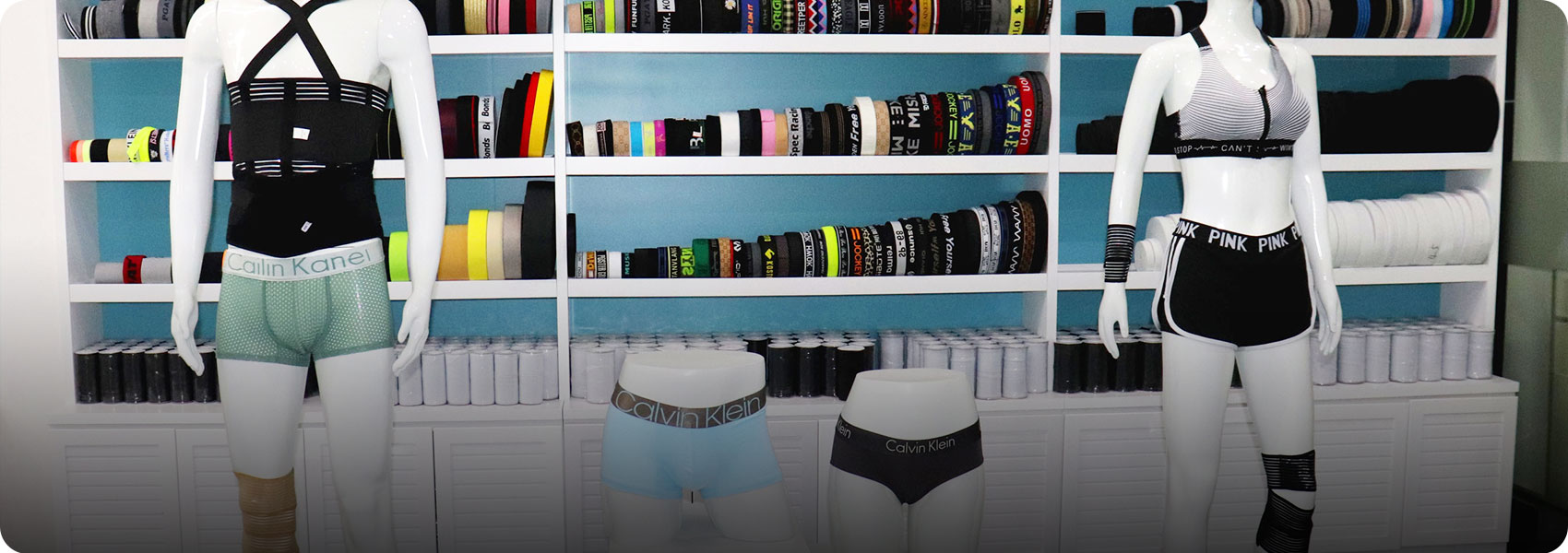
Anti-Slip Elastic Band is gaining more attention in garment development as brands look for practical ways to improve comfort, fit stability, and product performance. In activewear, underwear, swimwear, and compression clothing, consumers expect garments to stay in place during daily activities without creating extra pressure. For designers and sourcing teams, selecting the right elastic solution has become an important step in reducing common issues such as waistband movement, rolling edges, and uncomfortable adjustments.
Addressing Common Fit Problems in Modern Apparel
Many garment problems appear after the product enters daily use rather than during the initial fitting stage. Leggings may shift during exercise, bra bands may move after long wear, and swimsuit edges may lose their position during water activities. These issues can influence customer satisfaction and increase return risks for apparel brands.
Anti-slip elastic solutions help create better contact between the garment and the body by adding controlled friction. Instead of increasing compression force, the design focuses on improving stability while maintaining the natural stretch and flexibility required for comfortable movement.
Supporting Activewear With Better Functional Design
The growth of fitness and casual sportswear has changed expectations for garment components. Consumers are paying more attention to details that improve wearing experience, including breathable fabrics, flexible structures, and reliable support features.
For activewear developers, elastic components need to match different application areas:
- Waistbands require stable stretch recovery for repeated movement.
- Leg openings need secure positioning without restricting motion.
- Shoulder straps need support while maintaining comfort.
- Compression garments require balanced elasticity and surface grip.
A suitable elastic specification allows designers to create functional clothing that performs well in both sports and everyday environments.
Selecting Materials Based on Application Needs
Different garments require different elastic characteristics. Factors such as fabric thickness, stretch direction, sewing method, and wearing conditions can influence the final performance.
When selecting an elastic band, buyers usually consider several practical details:
- Elastic recovery after repeated stretching.
- Compatibility with polyester, nylon, cotton, and blended fabrics.
- Stability of the anti-slip surface after washing.
- Softness against skin during extended wear.
- Consistency during large-scale production.
These points help avoid situations where a component performs well during sampling but creates problems after mass production.
Improving Product Quality Through Better Processing
The performance of anti-slip elastic is closely connected with production processes. Uniform application of grip materials, stable elastic tension, and accurate width control all affect the final garment quality.
During development, manufacturers and apparel engineers often review samples through multiple stages, including stretching tests, sewing trials, and finished garment inspections. This approach helps identify possible issues before full production and supports more reliable supply decisions for international buyers.
Meeting Consumer Expectations for Long-Term Comfort
Modern consumers are looking for clothing that combines appearance with practical benefits. A garment that stays comfortable after hours of movement can create stronger product value compared with designs that only focus on visual style.
Anti-slip features are especially useful for products designed for repeated use, such as yoga wear, running apparel, dance clothing, and daily essentials. The goal is not only to prevent movement but also to maintain a smooth wearing experience throughout different activities.
Creating More Reliable Apparel Solutions
As apparel brands continue developing performance-focused products, small components such as elastic bands are receiving more attention during product planning. A carefully selected elastic solution can improve garment structure, reduce adjustment needs, and support better user experiences.
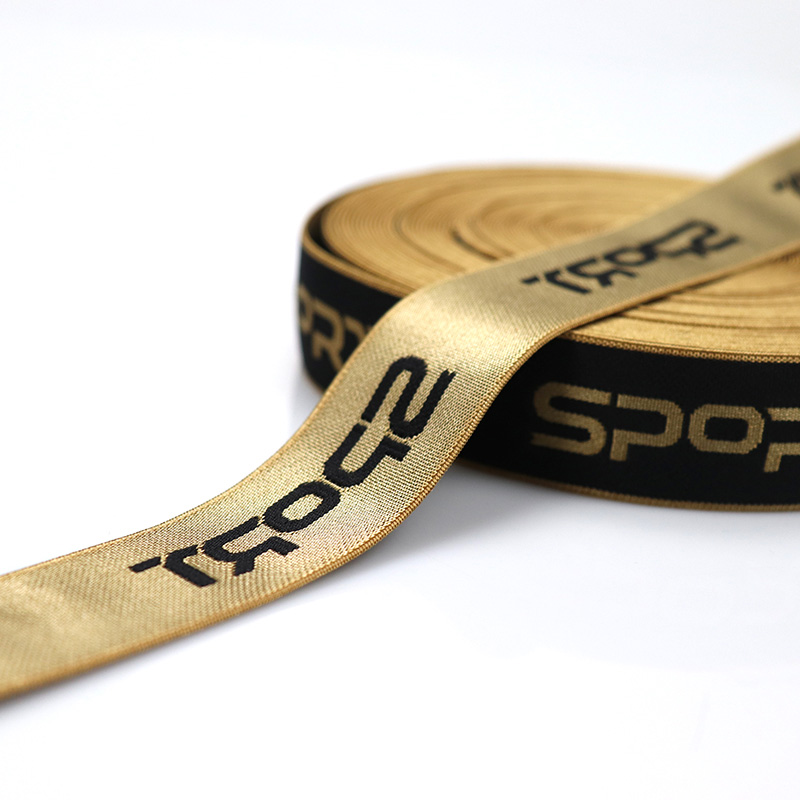
For companies developing functional clothing lines, Anti-Slip Elastic Band provides a practical option for improving stability and comfort across various applications. By focusing on material selection, production consistency, and application requirements, Anti-Slip Elastic Band helps apparel products achieve better fit performance while meeting the changing expectations of global markets.

-
Tel:
+86-18767935551
+86-18395959909
+86-18767935551
-
Email:
saijia@sjelasticband.com
claiejin@sjelasticband.com
luffy@sjelasticband.com
-
ADD:
3F, Building 6, No.151, Huasheng Road, niansanli Street, Yiwu City, Jinhua City, Zhejiang Province, China.
LEAVE A REQUEST
AND WE'L CONTANT YOU.
AND WE'L CONTANT YOU.
Copyright © Yiwu Saijia Garment Accessories Co., Ltd. All rights reserved.
Custom Elastic Bands
