

 English
 Español
 عربى
عربى Tiếng Việt
NEWS

Industry
 By Admin
Anti-Slip Elastic Band Helps Improve Comfort and Stability in Everyday Garment Design
Anti-Slip Elastic Band is becoming an important functional component in modern clothing design as brands focus more on fit, comfort, and long-term wearing experience. From sports leggings and yoga apparel to underwear, swimwear, and medical support garments, users expect clothing to remain stable during movement while keeping a soft and flexible feel. For apparel buyers and product developers, choosing the right elastic solution can help solve common problems such as slipping edges, loose fitting areas, and frequent garment adjustments.
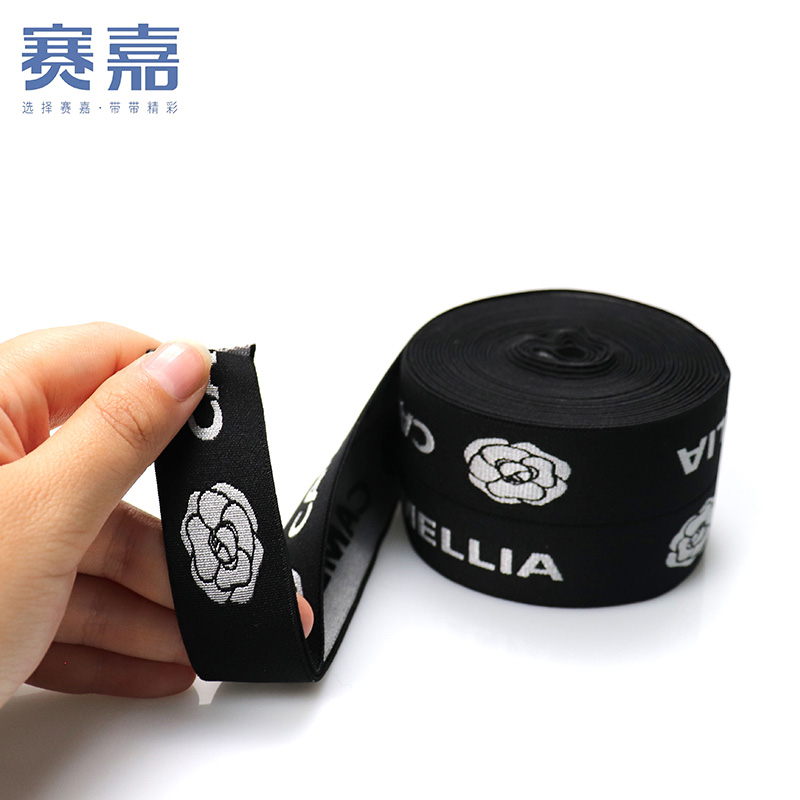
Reducing Fabric Movement During Daily Activities
Garment movement is one of the main challenges faced by designers when developing close-fitting products. Even high-quality fabrics can shift when the body moves continuously, especially during exercise, stretching, or long periods of wear.
Traditional elastic provides stretch and support, but additional grip performance can improve the connection between the garment and the skin or inner fabric layer. This makes anti-slip elastic suitable for areas that require extra stability, including waistbands, thigh openings, bra bands, and sleeve edges.
By improving positioning without adding unnecessary tightness, this type of elastic helps create clothing that feels more natural during everyday activities.
Supporting Functional Activewear Development
The activewear market continues to influence textile innovation, with more consumers choosing clothing that combines sports performance with daily comfort. Product teams are paying closer attention to small components that affect the overall wearing experience.
For activewear manufacturers, elastic selection needs to match different product requirements:
- Yoga and fitness garments need flexible support during stretching movements.
- Running apparel requires stable positioning during repeated impact.
- Compression products need balanced elasticity and controlled pressure.
- Dancewear requires freedom of movement with reliable garment placement.
A well-designed elastic structure allows brands to improve product functionality while maintaining the appearance and comfort expected by consumers.
Improving Performance Through Material Compatibility
Selecting an elastic band is not only about elasticity. The interaction between the elastic and the main fabric also affects final garment performance. Different fabrics, including nylon blends, polyester materials, and cotton-based textiles, may require different elastic characteristics.
During product development, buyers often evaluate:
- Stretch recovery after repeated use.
- Grip consistency after washing.
- Softness during skin contact.
- Sewing compatibility with garment production lines.
- Appearance after long-term wear.
Understanding these factors helps reduce production adjustments and supports more consistent finished products.
Addressing Washing and Durability Concerns
Garments with functional elastic components need to maintain their performance after regular care. Washing cycles, detergent exposure, and repeated stretching can influence both elastic recovery and grip properties.
For this reason, product testing before large-scale production is an important step. Evaluating finished garments instead of only checking raw materials can provide a clearer understanding of actual performance.
Common evaluation areas include:
- Elastic shape recovery after stretching.
- Surface condition after washing.
- Bonding stability of grip materials.
- Overall garment comfort after repeated use.
These checks help brands deliver products that meet customer expectations throughout the product lifecycle.
Creating Better Solutions for Apparel Brands
As consumers become more selective about clothing quality, garment details that improve comfort and usability are gaining more attention. Small components can have a noticeable influence on how a product performs in real situations.
Anti-slip elastic technology allows designers to develop garments that stay in position while preserving flexibility and comfort. This approach is especially valuable for brands producing performance clothing, intimate apparel, swimwear, and everyday essentials.
Enhancing Garment Value Through Functional Details
Modern apparel development is moving beyond basic appearance and focusing on practical experiences. Reliable fit, comfortable movement, and long-lasting performance are becoming important factors in product selection for both consumers and professional buyers.
By integrating Anti-Slip Elastic Band into suitable garment applications, brands can improve stability and wearing comfort while reducing common fit-related concerns. With proper material selection and application design, Anti-Slip Elastic Band provides a practical solution for creating functional garments that perform well in daily use.

-
Tel:
+86-18767935551
+86-18395959909
+86-18767935551
-
Email:
saijia@sjelasticband.com
claiejin@sjelasticband.com
luffy@sjelasticband.com
-
ADD:
3F, Building 6, No.151, Huasheng Road, niansanli Street, Yiwu City, Jinhua City, Zhejiang Province, China.
LEAVE A REQUEST
AND WE'L CONTANT YOU.
AND WE'L CONTANT YOU.
Copyright © Yiwu Saijia Garment Accessories Co., Ltd. All rights reserved.
Custom Elastic Bands
