

 English
 Español
 عربى
عربى Tiếng Việt
NEWS

Industry
 By Admin
Why Do Brands Work Closely With An Elastic Band Factory?
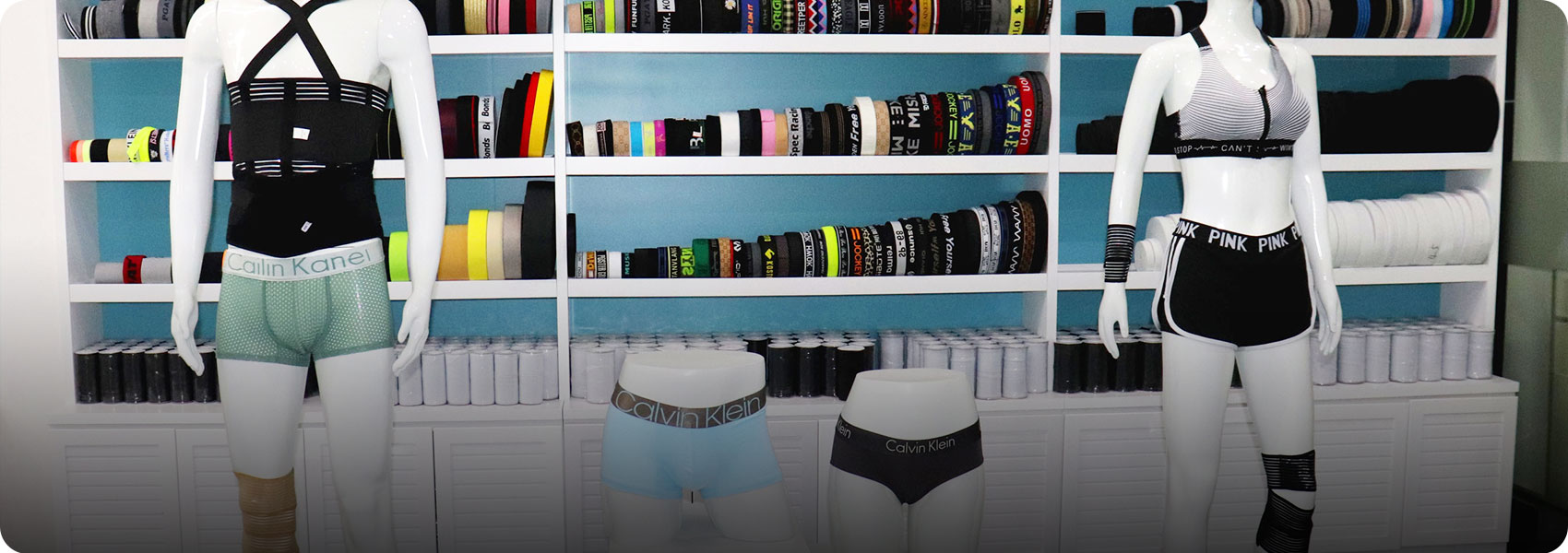
Product development in the underwear sector often depends on components that remain unseen but strongly influence wearing experience and garment structure. When brands plan collections involving Underwear Elastic, cooperation with an Elastic Band Factory becomes part of the design and production workflow rather than a separate sourcing task. This close working relationship helps brands manage technical details, production consistency, and long-term product planning in a more controlled way.
Elastic As a Structural Element Rather Than an Accessory
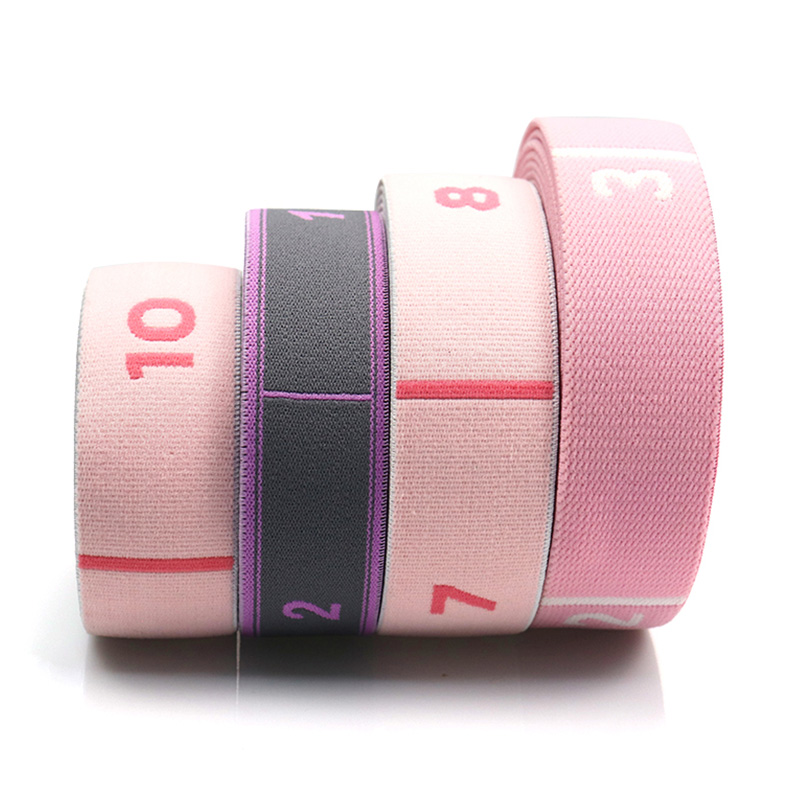
Underwear elastic is not simply an add-on material. It supports garment fit, defines waist and leg openings, and affects how fabric behaves during movement. Brands that treat elastic as a structural element tend to involve an Elastic Band Factory early in the development process.
Through this cooperation, brands gain insight into how elastic construction, width, and tension influence garment patterns. Instead of adapting finished designs to available elastic options, designers can adjust specifications while samples are still flexible. This approach helps reduce later revisions and supports smoother transitions from sampling to production.
Managing Material Compatibility With Fabrics
Modern underwear uses a wide range of fabrics, including cotton blends, modal, microfiber, and seamless knitted materials. Each fabric interacts differently with elastic. Brands often work closely with an Elastic Band Factory to understand how specific underwear elastic types respond when combined with certain textiles.
This collaboration allows brands to address questions about stretch balance, fabric recovery, and surface interaction before mass production. Elastic that works well with one fabric may behave differently with another, especially after washing. Early technical discussions help brands select elastic solutions that align with the intended garment structure and use conditions.
Custom Specifications Based on Design Intent
Brands often differentiate their underwear lines through fit, silhouette, and wearing feel rather than visible decoration. Underwear elastic plays a role in achieving these distinctions. An Elastic Band Factory can adjust parameters such as elasticity range, thickness, and surface finish based on brand requirements.
Working closely with the factory allows brands to translate abstract design ideas into practical material specifications. Instead of choosing from standard elastic types alone, brands can request adjustments that support their product positioning. This customization process supports consistency across collections while allowing design variation.
Supporting Consistency Across Size Ranges
Size grading in underwear relies heavily on elastic behavior. A waistband that feels balanced in one size may feel too tight or too loose in another if elastic properties are not adjusted properly. Brands collaborate with Elastic Band Factory teams to evaluate how underwear elastic performs across different sizes.
Through sampling and testing, factories help brands understand how tension distribution changes with width and length adjustments. This knowledge supports more predictable fit across size ranges, reducing consumer dissatisfaction related to inconsistent sizing.
Production Efficiency and Assembly Compatibility
Underwear manufacturing involves sewing, bonding, or knitting processes that interact directly with elastic components. Brands benefit from working with an Elastic Band Factory that understands these assembly methods.
Factories can adjust elastic construction to suit specific production techniques, such as flat sewing or ultrasonic bonding. This alignment reduces issues like edge curling, uneven feeding during sewing, or bonding failure. Close cooperation helps ensure that underwear elastic integrates smoothly into the manufacturing workflow without unnecessary interruptions.
Sampling Support and Development Feedback
Sampling is a critical stage where many design assumptions are tested. Brands working closely with an Elastic Band Factory receive technical feedback during this phase, helping them interpret sample results more accurately.
If issues arise, such as uneven stretch or unexpected fabric response, factory technicians can suggest adjustments to elastic structure or material composition. This back-and-forth communication supports problem-solving based on material behavior rather than trial-and-error alone. It also helps brands make informed decisions before committing to large production runs.
Responding to Market Trends and Design Shifts
Consumer expectations around underwear continue to shift, with growing interest in seamless designs, lightweight garments, and understated aesthetics. Brands often rely on Elastic Band Factory partners to explore how underwear elastic can support these changes.

-
Tel:
+86-18767935551
+86-18395959909
+86-18767935551
-
Email:
saijia@sjelasticband.com
claiejin@sjelasticband.com
luffy@sjelasticband.com
-
ADD:
3F, Building 6, No.151, Huasheng Road, niansanli Street, Yiwu City, Jinhua City, Zhejiang Province, China.
LEAVE A REQUEST
AND WE'L CONTANT YOU.
AND WE'L CONTANT YOU.
Copyright © Yiwu Saijia Garment Accessories Co., Ltd. All rights reserved.
Custom Elastic Bands
