

 English
 Español
 عربى
عربى Tiếng Việt
NEWS

Industry
 By Admin
Where Can Waistband Elastic Reduce Pressure While Maintaining Flexibility?
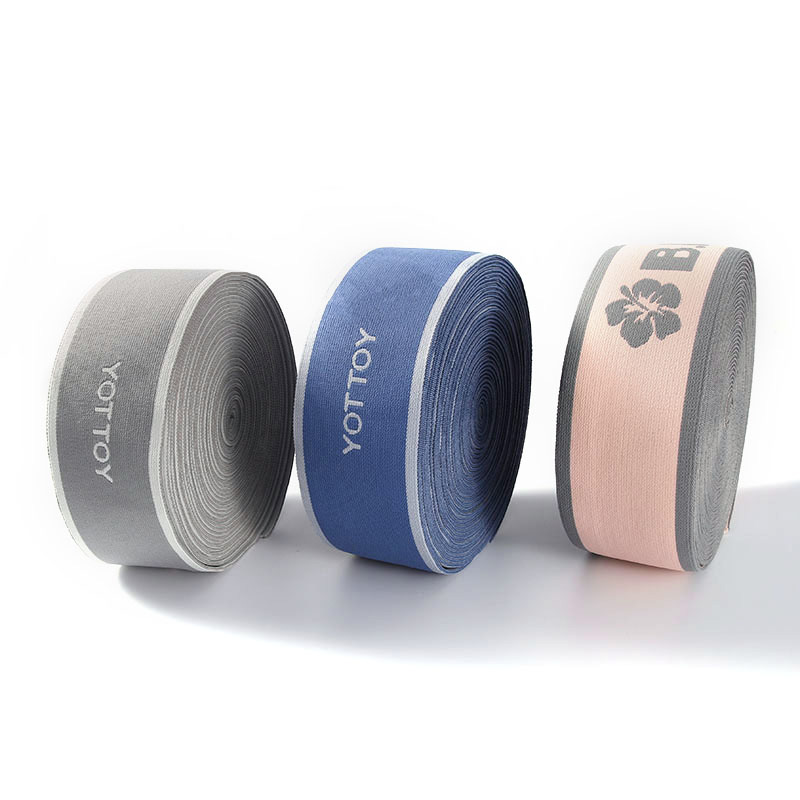
Waistband Elastic and Yoga Elastic Band are versatile tools designed to provide support and controlled resistance without restricting movement. They are often used in clothing, sportswear, and exercise routines to balance flexibility and tension. Understanding where these bands can be applied effectively allows individuals to maintain comfort while engaging in physical activity, stretching, or daily movements.
Applications in Activewear
One common use of Waistband Elastic is in activewear garments, where it can help maintain shape while reducing pressure on the waist or hips. By providing gentle tension, these bands prevent garments from slipping without creating discomfort or leaving marks on the skin. Yoga Elastic Bands can complement this use during workouts, offering additional support for controlled stretches or exercises that involve bending and twisting. Together, they allow for unrestricted movement while keeping the body supported in key areas.
Supporting Core and Lower Body Exercises
During exercise routines that involve squats, lunges, or rotational movements, Waistband Elastic can reduce pressure on the lower back and abdomen. It distributes tension evenly across the waistband, allowing muscles to engage without unnecessary strain. Yoga Elastic Bands can be looped around legs, arms, or torso to add gentle resistance, encouraging controlled motion and steady alignment. This combination helps maintain comfort while practicing strength and mobility exercises, particularly when holding poses or performing repeated movements.
Use in Rehabilitation and Physical Therapy
Waistband Elastic is also applied in rehabilitation settings to provide support for individuals recovering from injuries. It helps reduce pressure on joints while allowing safe movement patterns, which is important for gradual strengthening or stretching exercises. Yoga Elastic Bands are often integrated into these routines, offering adjustable resistance that can be tailored to each person’s abilities. Using bands in this way can help maintain flexibility while supporting muscles that may be recovering from strain or weakness.
Everyday Applications
Beyond workouts, Waistband Elastic and Yoga Elastic Band can be used in daily life to reduce pressure during extended periods of sitting, standing, or bending. Waistband Elastic incorporated into clothing provides a flexible fit that adapts to body movements, reducing tightness or discomfort. Yoga Elastic Bands can also be used at home or in office settings for light stretching or mobility exercises, helping maintain circulation and range of motion without requiring large or complex equipment.
Choosing the Right Band
Selecting an appropriate band for each activity is important to balance support and flexibility. Thicker or wider Waistband Elastic can provide more stability for heavier garments or exercises, while narrower or lighter bands offer flexibility for daily wear or lighter workouts. Yoga Elastic Bands vary in length and tension, allowing users to adjust the level of resistance to match the activity. Considering factors such as material, width, and elasticity ensures that bands perform effectively without causing discomfort or restricting natural movement.
Practical Considerations
Both Waistband Elastic and Yoga Elastic Band are designed to be lightweight, portable, and easy to maintain. They can be washed and stored without losing shape, making them suitable for repeated use in different settings. Their adaptability allows them to be integrated into clothing, home exercise routines, rehabilitation exercises, or office stretching sessions. By choosing the appropriate type and tension, users can maintain comfort, flexibility, and controlled support across a variety of movements.
Waistband Elastic and Yoga Elastic Bands offer practical ways to reduce pressure while maintaining flexibility in activewear, exercise routines, rehabilitation, and daily life. When used thoughtfully, they help support movement, improve comfort, and provide controlled resistance without limiting natural motion, making them useful tools for diverse applications.

-
Tel:
+86-18767935551
+86-18395959909
+86-18767935551
-
Email:
saijia@sjelasticband.com
claiejin@sjelasticband.com
luffy@sjelasticband.com
-
ADD:
3F, Building 6, No.151, Huasheng Road, niansanli Street, Yiwu City, Jinhua City, Zhejiang Province, China.
LEAVE A REQUEST
AND WE'L CONTANT YOU.
AND WE'L CONTANT YOU.
Copyright © Yiwu Saijia Garment Accessories Co., Ltd. All rights reserved.
Custom Elastic Bands
