

 English
 Español
 عربى
عربى Tiếng Việt
NEWS

Industry
 By Admin
Waistband Elastic: Why Does It Resist Fraying During Laundering?
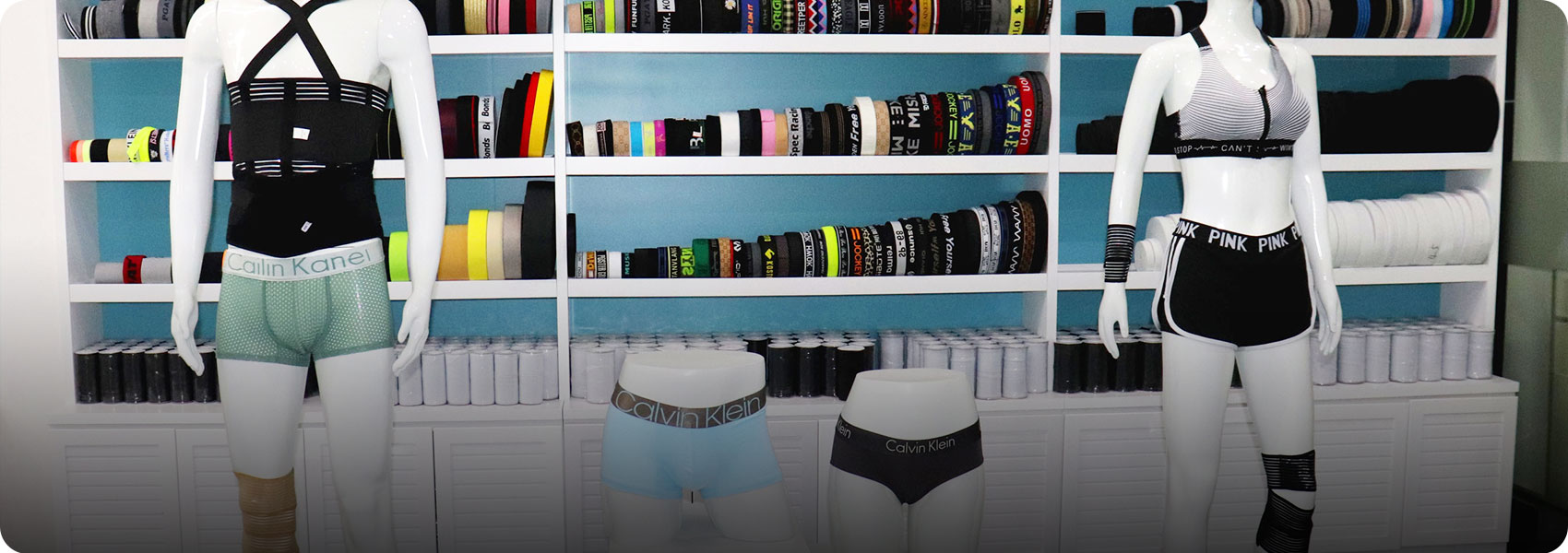
Everyday garments rely on small but vital details to stay comfortable and durable, and two of the important components are underwear elastic and waistband elastic. Consumers often notice how these elastics keep their structure and softness even after multiple washes, raising the question: why do they resist fraying during laundering? The answer involves a combination of material selection, construction techniques, and care practices that work together to protect the elastic.
Fiber Quality and Blending
The foundation of fray resistance begins with the fibers used in production. Elastics are typically made from blends that combine spandex with polyester or nylon, sometimes integrated with cotton for added softness. Synthetic fibers play a significant role in resisting wear because they do not unravel easily when exposed to water and detergent. By combining elasticity with smooth fiber surfaces, the bands maintain their integrity through repeated washing cycles.
Knitted Construction Methods
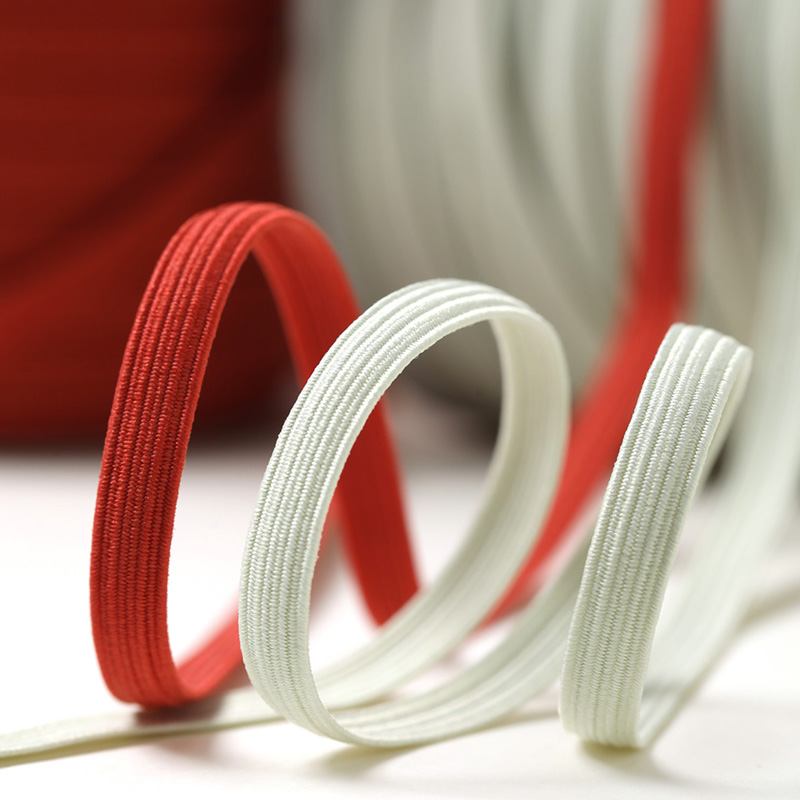
Knitting techniques are central to preventing fraying. Unlike woven or braided structures, knitted waistband elastic interlocks fibers in a way that allows flexibility without exposing loose ends. This design means that when the garment is stretched or laundered, the fibers return to position instead of fraying outward. For underwear elastic, knitted construction ensures that the band remains soft against the skin while still holding its shape.
Protective Finishing Treatments
During manufacturing, finishing processes further strengthen the elastic surface. Heat setting is commonly applied, locking the fibers into place and reducing the risk of unraveling. In some cases, coatings or treatments are added to increase resistance to friction and moisture. These treatments ensure that even after repeated contact with detergent, water agitation, and body movement, the waistband elastic continues to resist edge wear and surface breakdown.
Integration into Garment Design
The way elastic is sewn into garments also matters for fray resistance. When stitched properly, the edges of the elastic are secured within seams or fabric casings, which act as a shield against abrasion. For underwear, this often means the elastic is either enclosed within the waistband or covered with fabric for comfort and durability. This construction detail reduces direct exposure to washing machine agitation, which is often a major cause of fraying in lower-quality bands.
Laundering Conditions and Care
Even though the elastic is designed to withstand repeated washing, consumer care plays a role in its long-term performance. Laundering at moderate temperatures and using gentle detergents helps preserve the fiber structure. High heat from dryers can weaken elasticity and eventually cause minor fraying, so air drying is generally recommended. By following these care practices, the lifespan of both underwear elastic and waistband elastic can be significantly extended.
Compatibility with Different Fabrics
Elastic’s resistance to fraying also depends on how it pairs with surrounding fabrics. When matched with cotton, the elastic must tolerate the fabric’s tendency to shrink, while with synthetic blends it must adapt to the garment’s inherent stretch.
Everyday Benefits for Comfort and Durability
For consumers, the benefit of fray-resistant elastic is straightforward: garments stay comfortable and functional longer. A waistband that maintains its smooth edge does not irritate the skin, and underwear elastic that resists unraveling keeps the garment’s fit consistent. This reliability reduces the need for frequent replacement, offering long-term value in everyday wear.
The ability of waistband elastic to resist fraying during laundering is the result of thoughtful material engineering, careful knitting methods, and proper garment integration. Combined with mindful care at home, these elements ensure that underwear elastic and waistband elastic remain both comfortable and durable through repeated use.

-
Tel:
+86-18767935551
+86-18395959909
+86-18767935551
-
Email:
saijia@sjelasticband.com
claiejin@sjelasticband.com
luffy@sjelasticband.com
-
ADD:
3F, Building 6, No.151, Huasheng Road, niansanli Street, Yiwu City, Jinhua City, Zhejiang Province, China.
LEAVE A REQUEST
AND WE'L CONTANT YOU.
AND WE'L CONTANT YOU.
Copyright © Yiwu Saijia Garment Accessories Co., Ltd. All rights reserved.
Custom Elastic Bands
