

 English
 Español
 عربى
عربى Tiếng Việt
NEWS

Industry
 By Admin
Mesh Elastic Band: Improving Comfort In Daily Active Wear
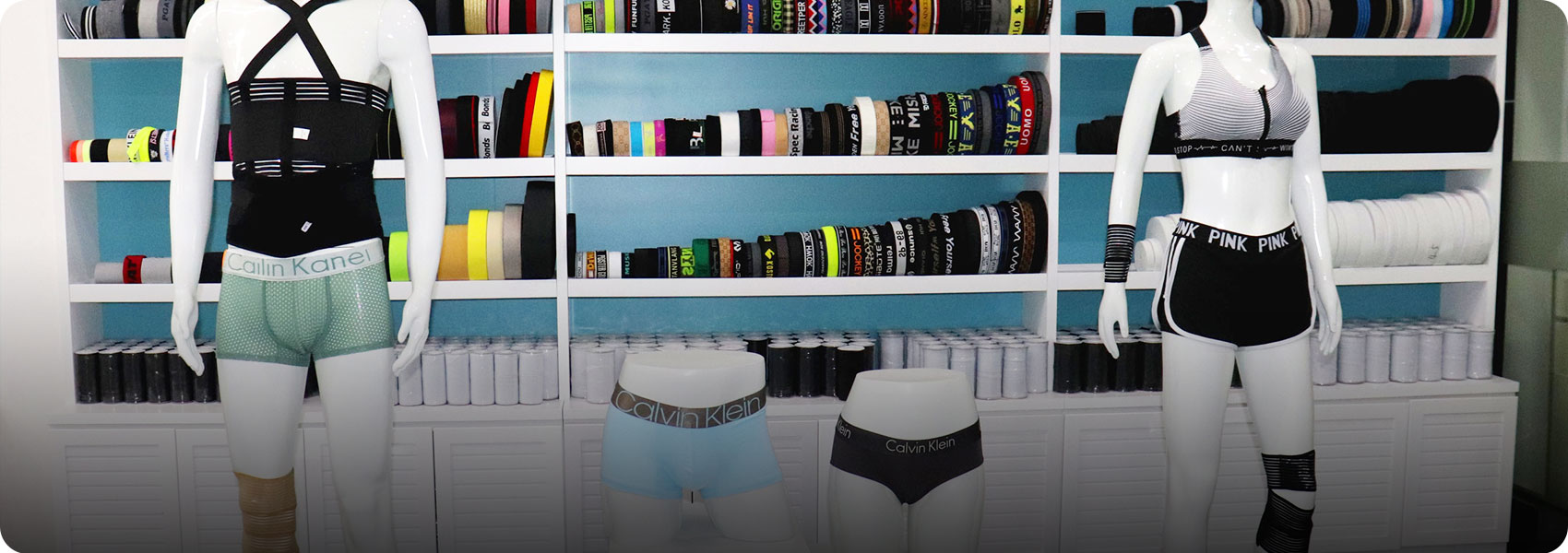
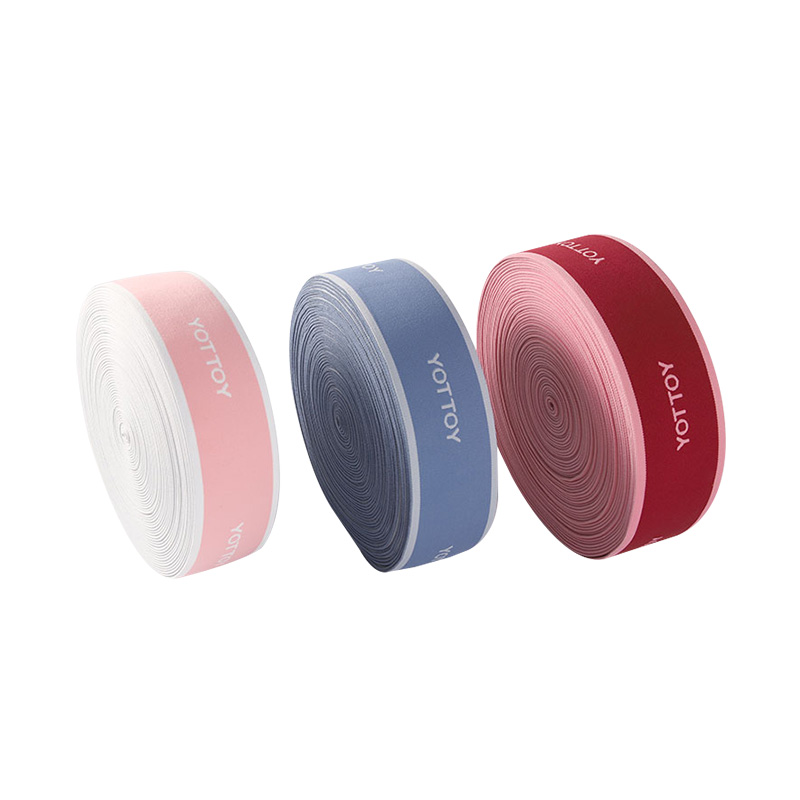
Modern activewear construction has been shifting toward components that can support movement without adding unnecessary pressure or friction. Mesh Elastic Band and Anti-Slip Elastic Band are increasingly used in garment structures where stability and airflow need to work together rather than compete. This combination supports clothing designs that stay in place during frequent motion while maintaining a lighter wearing experience across daily routines.
Why Traditional Elastic Straps Fall Short in Active Use
Conventional elastic bands used in clothing often focus on stretch and tension but overlook how they behave during long wear or repeated movement. In daily active scenarios such as walking, commuting, light workouts, or extended standing periods, users commonly report issues like rolling edges, localized pressure points, and reduced breathability around contact areas.
Another concern is fabric shift. When elastic components lack surface grip or structural balance, garments may gradually move out of position. This can affect both comfort and usability, especially in apparel designed for consistent motion. Mesh-based constructions were introduced as a response to these concerns, offering a structure that allows air exchange while distributing tension more evenly across contact points.
Structural Changes in Mesh Elastic and Anti-Slip Design
The development of Mesh Elastic Band systems introduces a layered structure that integrates elasticity with a perforated or breathable surface. This mesh configuration helps reduce heat accumulation in high-contact zones, particularly in waistbands, cuffs, and support straps.
At the same time, the Anti-Slip Elastic Band element focuses on surface interaction with fabric or skin contact areas. Instead of relying purely on tightness, it introduces controlled friction zones that help keep garments positioned during movement.
Key structural characteristics include:
- Mesh layering: allows airflow through small openings in the band surface
- Elastic core balance: distributes stretch tension more evenly
- Anti-slip texture zones: reduce unwanted shifting without heavy compression
- Flexible recovery: supports repeated stretching and returning to shape
- Soft-edge finishing: helps reduce irritation along contact lines
|
Feature Component |
Functional Role in Wear Use |
|
Mesh structure |
Air circulation during movement |
|
Elastic core system |
Provides controlled stretch response |
|
Anti-slip surface layer |
Helps maintain garment position |
|
Edge finishing design |
Reduces friction at skin contact areas |
|
Multi-direction stretch |
Supports varied movement patterns |
These elements are not isolated improvements but work together within a single band structure to support more stable garment behavior during daily use.
Where Mesh Elastic Band Systems Are Commonly Applied
Applications of Mesh Elastic Band and Anti-Slip Elastic Band are expanding across multiple apparel categories, particularly where movement consistency is required without restrictive tightness.
In sportswear, these bands are often integrated into waist areas of leggings, shorts, and compression tops. The goal is not only to secure the garment but also to allow air movement in regions where heat tends to build up. In casual wear, they are used in skirts, joggers, and lightweight trousers where users may switch between sitting, walking, and standing throughout the day.
They are also increasingly used in functional undergarments, where positioning stability matters but heavy compression is not preferred. In these cases, the balance between hold and comfort becomes more important than strong tightness alone. For travel apparel, mesh elastic systems help maintain garment shape during long periods of sitting, while still allowing enough flexibility for movement transitions.
Observations from Wear Feedback and Practical Testing
Field feedback collected from apparel trials shows that users tend to notice differences in how garments behave rather than how they feel at the moment of wearing. In repeated-use scenarios, garments with mesh elastic structures were described as more stable during movement changes, particularly when transitioning between sitting and walking.
Some general observations include:
- Reduced need for frequent adjustment during wear
- More consistent garment position after extended use
- Noticeable airflow improvement in waistband areas
- Lower accumulation of heat in layered clothing setups
Testing across different fabric pairings also indicates that Anti-Slip Elastic Band components perform differently depending on outer textile type. Smooth fabrics may require more textured grip zones, while textured fabrics can rely more on balanced tension distribution.
Practical Comparison of Elastic Band Types
|
Band Type |
Movement Response |
Airflow Level |
Position Stability |
|
Traditional Elastic |
Basic stretch only |
Limited |
Moderate |
|
Mesh Elastic Band |
Balanced flexibility |
Higher |
Stable under motion |
|
Anti-Slip Elastic Band |
Controlled grip effect |
Moderate to high |
Improved retention |
|
Combined Mesh + Anti-Slip |
Multi-layer response |
Higher |
More consistent |
This comparison highlights how combining mesh structure with anti-slip elements shifts focus from pure tightness toward functional balance during wear.
Broader Industry Direction in Elastic Component Design
Apparel development is increasingly influenced by user movement patterns rather than static sizing alone. Elastic components are no longer treated as simple stretch elements but as functional parts of garment behavior. The integration of breathable structures and surface grip design reflects a shift toward adaptive wear components that respond to motion and environment.
Mesh Elastic Band systems illustrate how material engineering can adjust comfort perception without changing the entire garment structure. Instead of redesigning clothing from the ground up, manufacturers can modify key stress zones to improve usability in practical conditions.
This approach is particularly relevant in mass-produced apparel, where small structural improvements can be applied across multiple product lines without significant redesign complexity. It also allows designers to address common wear concerns such as slippage, heat retention, and pressure imbalance in targeted areas.

-
Tel:
+86-18767935551
+86-18395959909
+86-18767935551
-
Email:
saijia@sjelasticband.com
claiejin@sjelasticband.com
luffy@sjelasticband.com
-
ADD:
3F, Building 6, No.151, Huasheng Road, niansanli Street, Yiwu City, Jinhua City, Zhejiang Province, China.
LEAVE A REQUEST
AND WE'L CONTANT YOU.
AND WE'L CONTANT YOU.
Copyright © Yiwu Saijia Garment Accessories Co., Ltd. All rights reserved.
Custom Elastic Bands
