

 English
 Español
 عربى
عربى Tiếng Việt
NEWS

Industry
 By Admin
Knitted Elastic Band: Providing Comfort For Customized Apparel Design
Designing custom apparel involves balancing fit, flexibility, and comfort. One material that has gained attention for its versatility in clothing design is the Knitted Elastic Band, often paired with standard Yoga Elastic Band in garments requiring stretch and movement. These bands provide consistent elasticity while allowing designers to adjust tension and placement according to the garment's function. Understanding their characteristics and applications can support apparel makers in producing pieces that move comfortably with the wearer without requiring frequent alterations.
Differences Between Knitted and Standard Yoga Bands
Not all elastic bands perform the same in clothing applications. Standard yoga bands are typically smooth and highly stretchable, making them suitable for areas that need long, consistent stretches without significant grip. Knitted elastic bands, on the other hand, are constructed with interwoven fibers that add texture and stability. This design reduces rolling or twisting within a garment, which is particularly useful for waistbands, cuffs, and fitted sections that must maintain shape during wear.
|
Feature |
Yoga Elastic Band |
Knitted Elastic Band |
|
Surface Texture |
Smooth |
Textured for grip |
|
Stretch Control |
Moderate |
Controlled, consistent |
|
Rolling/Twisting |
Can occur |
Minimal |
|
Comfort Against Skin |
Moderate |
Softer, distributes pressure |
|
Typical Applications |
Exercise wear, flexible inserts |
Waistbands, fitted cuffs, sportswear trim |
Practical Applications in Customized Apparel
Knitted elastic bands are versatile for a wide range of garments. Their ability to stretch evenly while providing grip allows designers to create apparel that adapts to different body shapes. Common uses include waistbands in pants and skirts, sleeve cuffs in jackets, and hems in athletic wear. Designers can also layer knitted bands with fabrics of varying thickness to produce targeted flexibility and support in specific areas. By measuring the stretch and comparing it to garment dimensions, elastic bands can be integrated without compromising comfort.
Tips for Selecting the Right Band
When choosing elastic bands for apparel, consider the following factors:
Width: Wider bands distribute pressure over a larger area, improving comfort in high-contact zones.
- Stretchability: Assess the required tension for the garment; some areas need gentle stretch, while others need firmer control.
- Durability: Knitted bands tend to resist deformation over time, but inspecting for snags or uneven knitting ensures longevity.
- Fabric Compatibility: Consider how the elastic interacts with outer fabric to prevent puckering or uneven seams.
These practical considerations help maintain garment fit and appearance after repeated wear and washing.
Integrating Bands into Garment Design
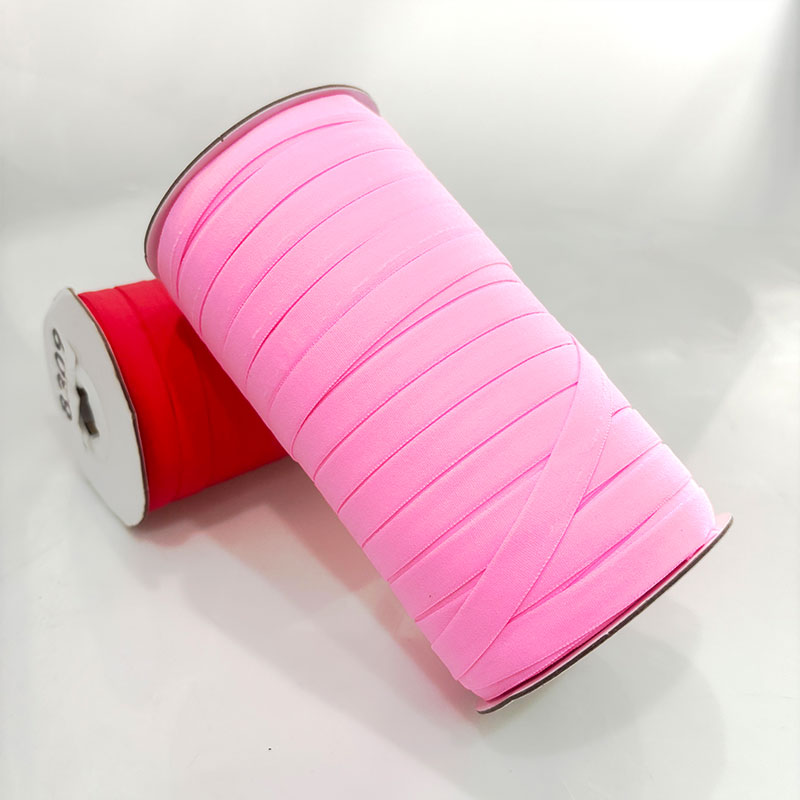
Using elastic bands in apparel requires careful planning of seam placement and attachment methods. Sewing bands with consistent tension ensures that the fabric drapes evenly and retains shape. Knitted elastic bands, due to their structure, provide natural alignment during stitching, which reduces the need for adjustments. For adjustable designs, bands can be sewn in partial channels or combined with drawstrings to allow minor modifications in fit without altering the overall garment structure.
Care and Maintenance for Longevity
Proper care preserves the usability of elastic bands in clothing. Washing garments in moderate temperatures and avoiding high-heat drying helps prevent stretching or deformation. Knitted bands should be handled gently to avoid snags, especially when integrated with delicate fabrics. Storing garments flat or folded without compressing elastic areas further maintains shape and flexibility, keeping the clothing comfortable for repeated wear.
Frequently Asked Questions (FAQ)
- Can knitted elastic bands be used in all types of apparel?
Yes, they can be adapted for sportswear, casual wear, and some formal garments where stretch and comfort are needed. However, fabric type and band width should be matched carefully to avoid tension issues.
- How do knitted bands compare to smooth yoga bands in clothing?
Knitted bands provide more grip and resist rolling, making them better for waistbands and cuffs. Yoga bands are lighter and easier to insert in areas where smooth stretch is desired.
- Are there limitations in stretch for knitted elastic bands?
Knitted bands generally offer controlled elasticity, which is sufficient for many apparel. Excessive stretching beyond intended limits may reduce lifespan or alter shape.
- How can I maintain elasticity after washing?
Use moderate temperatures and avoid high-heat drying. Gentle washing preserves fiber structure and tension.
- Can bands be replaced or adjusted after sewing?
Yes, knitted elastic bands can be replaced or adjusted by carefully removing stitching and reapplying new sections. Partial channels or overlays allow minor modifications without full garment alteration.
- Are knitted bands suitable for adjustable clothing designs?
Yes, they work well with drawstrings or layered fabric sections, allowing customizable fit in areas like waistbands, sleeves, or sportswear hems.

-
Tel:
+86-18767935551
+86-18395959909
+86-18767935551
-
Email:
saijia@sjelasticband.com
claiejin@sjelasticband.com
luffy@sjelasticband.com
-
ADD:
3F, Building 6, No.151, Huasheng Road, niansanli Street, Yiwu City, Jinhua City, Zhejiang Province, China.
LEAVE A REQUEST
AND WE'L CONTANT YOU.
AND WE'L CONTANT YOU.
Copyright © Yiwu Saijia Garment Accessories Co., Ltd. All rights reserved.
Custom Elastic Bands
