

 English
 Español
 عربى
عربى Tiếng Việt
NEWS

Industry
 By Admin
How Does An Elastic Band Factory Support Underwear Elastic Design?
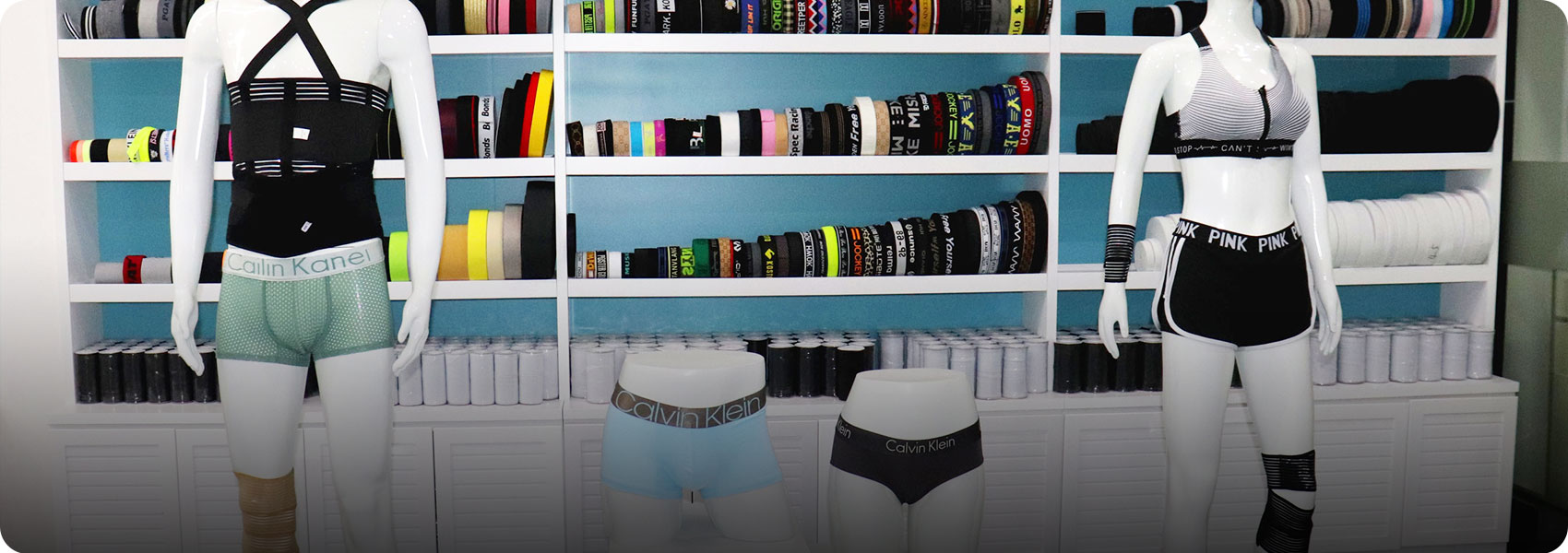
Every stage of underwear development involves careful material decisions, and elastic components play a central role in comfort, fit, and appearance. When discussing how an Elastic Band Factory supports Underwear Elastic design, the focus often goes beyond simple production. It extends into material selection, structural design, testing processes, and coordination with garment manufacturers. Understanding these aspects helps brands and buyers make more informed choices when developing underwear products that need consistent performance and a refined finish.
From Material Selection to Functional Requirements
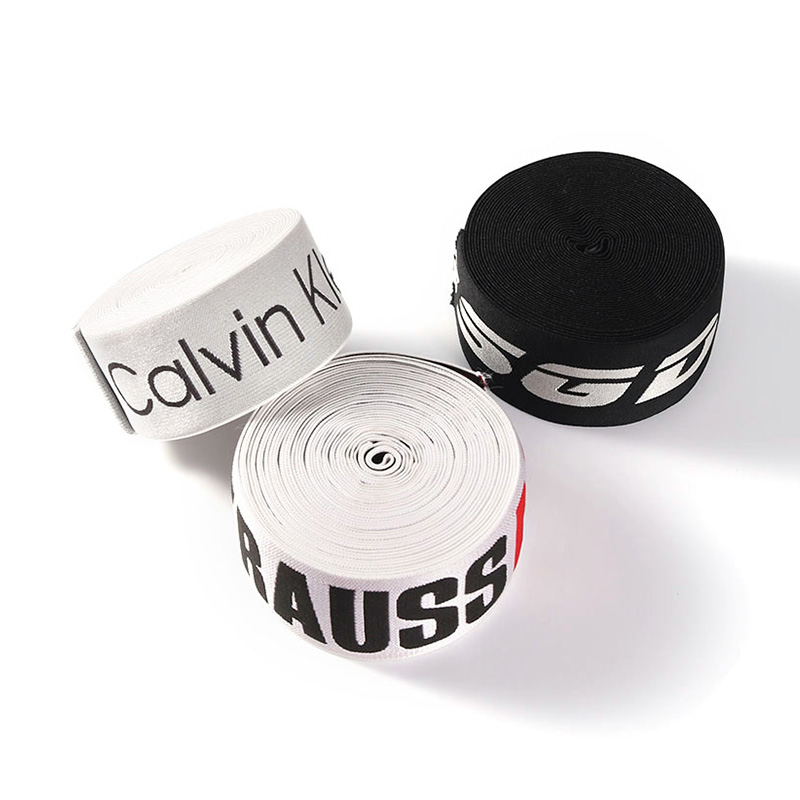
Underwear elastic must meet specific requirements that differ from elastics used in outerwear or industrial textiles. An Elastic Band Factory typically starts by evaluating end-use needs such as skin contact, stretch range, recovery behavior, and thickness. Fibers like nylon, polyester, spandex, or blended yarns are selected based on how they feel against the skin and how they respond to repeated stretching.
Factories experienced in Underwear Elastic production also consider moisture exposure, washing frequency, and long-term wear. These factors influence yarn coating, knitting density, and surface smoothness. By aligning material choices with real usage conditions, factories help reduce issues such as deformation, curling, or loss of elasticity over time.
Structural Design and Knitting Techniques
The structure of an elastic band directly affects how it performs once sewn into underwear. An Elastic Band Factory uses different knitting or weaving methods to control elasticity, edge stability, and thickness. For example, seamless or traceless elastic constructions are designed to sit flat within fabric layers, supporting clean garment lines and reducing pressure points.
Factories work closely with underwear designers to adjust parameters such as width, tension distribution, and edge softness. These adjustments ensure the elastic integrates smoothly with fabrics like cotton, modal, or microfiber. Proper structural design also helps underwear elastic maintain its position without rolling or digging into the skin during movement.
Supporting Comfort Without Visual Disruption
Modern underwear design often prioritizes a smooth appearance under clothing. An Elastic Band Factory supports this trend by developing elastic options that remain discreet once integrated into garments. Low-profile constructions and soft surface finishes help underwear elastic blend into seams or waistlines without creating visible lines.
This support goes beyond aesthetics. By controlling thickness and rebound behavior, factories help ensure that the elastic stretches evenly and recovers gradually, which contributes to a more natural fit. These considerations are especially relevant for close-fitting underwear styles where comfort and appearance are closely linked.
Custom Tension and Size Adaptation
Different underwear styles require different levels of support. Briefs, boxers, shapewear, and sports underwear all place unique demands on elastic components. An Elastic Band Factory typically offers customization options that allow underwear elastic to be produced with varied tension ranges.
This adaptability helps brands design collections that cater to diverse body shapes and wearing preferences. Rather than relying on a single elastic specification, designers can work with factories to fine-tune elasticity for each product category. This process supports consistency across sizes while maintaining a comfortable wearing experience.
Testing Processes That Reflect Daily Use
Quality control is a practical way an Elastic Band Factory supports underwear elastic design. Factories often carry out stretch-recovery testing, wash simulations, and abrasion assessments to evaluate how elastic bands perform over time. These tests reflect real-world conditions such as repeated laundering and prolonged skin contact.
By sharing test results with garment manufacturers, factories help identify suitable elastic options early in the design stage. This reduces the risk of mismatched materials and shortens development cycles. Consistent testing also helps ensure that underwear elastic behaves predictably during mass production.
Compatibility With Manufacturing Techniques
Underwear production involves various sewing, bonding, or laminating methods. An Elastic Band Factory considers these processes when developing elastic products. Elastic bands must be compatible with sewing machines, ultrasonic bonding, or adhesive lamination without losing their structure.
Factories often adjust surface treatments or edge finishes to support smoother assembly. This technical alignment reduces production disruptions and helps maintain uniform quality across finished garments. For underwear manufacturers, this support simplifies integration and improves production efficiency.
Balancing Durability and Flexibility
Underwear elastic needs to retain its function through repeated stretching and washing while remaining comfortable. An Elastic Band Factory addresses this balance by controlling yarn composition and construction density. Rather than focusing on exaggerated performance claims, the goal is stable elasticity that aligns with everyday wear expectations.
Factories also provide guidance on care instructions, helping brands communicate realistic maintenance practices to end users. This transparency supports longer garment lifespan and improves overall user satisfaction.

-
Tel:
+86-18767935551
+86-18395959909
+86-18767935551
-
Email:
saijia@sjelasticband.com
claiejin@sjelasticband.com
luffy@sjelasticband.com
-
ADD:
3F, Building 6, No.151, Huasheng Road, niansanli Street, Yiwu City, Jinhua City, Zhejiang Province, China.
LEAVE A REQUEST
AND WE'L CONTANT YOU.
AND WE'L CONTANT YOU.
Copyright © Yiwu Saijia Garment Accessories Co., Ltd. All rights reserved.
Custom Elastic Bands
