

 English
 Español
 عربى
عربى Tiếng Việt
NEWS

Industry
 By Admin
Enhancing Product Performance with Mesh Elastic Band for Modern Textile Manufacturing
The global textile industry is shifting toward functional components that improve comfort, durability, and product adaptability. For apparel brands, medical product manufacturers, and sportswear suppliers, elastic accessories are no longer only supporting elements but important factors affecting final product performance. Mesh Elastic Band has become a practical choice for manufacturers seeking breathable, flexible, and customizable elastic solutions. With increasing demand for comfortable wearable products and efficient production processes, overseas buyers are paying more attention to elastic material quality, application compatibility, and supplier manufacturing capabilities.
Improving Comfort in Long-Term Wear Applications
Many products require elastic components that maintain support while reducing pressure during extended use. Conventional elastic materials may meet basic stretching requirements but may not provide enough ventilation or flexibility for products used in active environments.
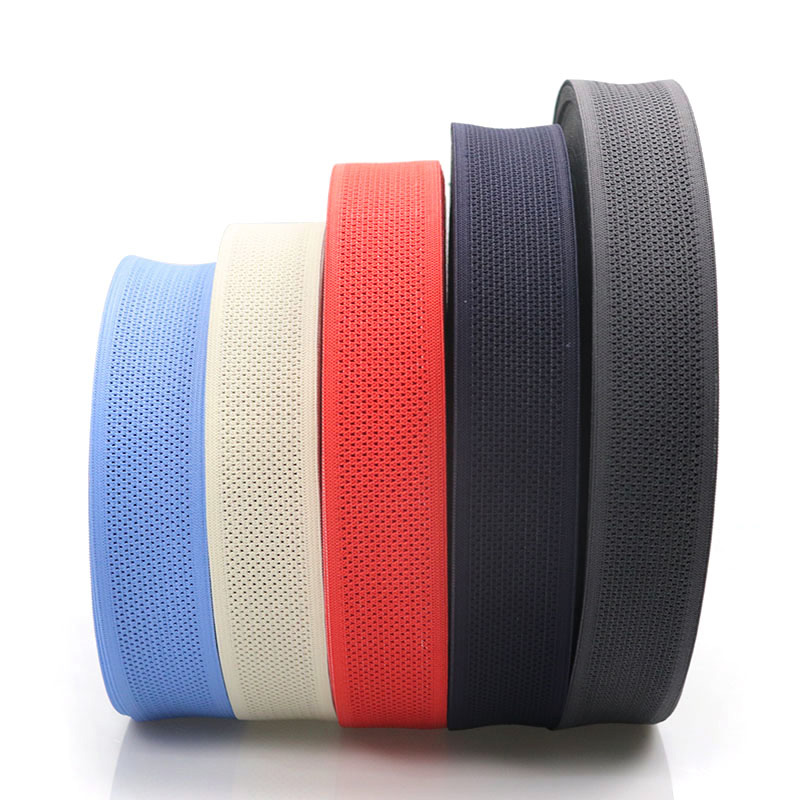
The mesh structure helps create a more breathable surface, allowing better air circulation while maintaining elastic recovery. This makes it suitable for products such as sportswear, protective equipment, medical supports, and functional garments where users expect both comfort and stable performance.
For manufacturers, selecting breathable elastic materials can improve product acceptance and provide more design possibilities for different market segments.
Supporting Flexible Designs for Different Industries
Modern product development requires materials that can adapt to various manufacturing conditions. A single elastic solution may not fit every application, so buyers often consider factors such as elasticity, width, softness, and compatibility with production methods.
Common application areas include:
- Sportswear products: Used in waistbands, straps, and adjustable sections that require freedom of movement.
- Medical and healthcare products: Helps create wearable items that need stable support and comfortable fitting.
- Baby and personal care products: Provides gentle elasticity for products where softness is important.
- Fashion accessories: Supports creative designs that require both appearance and functional performance.
Understanding the final application allows manufacturers to recommend suitable specifications and improve production results.
Customization Helps Brands Develop Differentiated Products
Global buyers increasingly prefer suppliers that can provide customized manufacturing support instead of only standard products. Different brands may have unique requirements for size, color, elasticity, weaving structure, and packaging.
As a manufacturer, we provide flexible customization services to help customers match their product requirements. The development process can include:
- Material selection based on application conditions
- Elastic performance adjustment for different product structures
- Customized dimensions for production compatibility
- OEM support for bulk manufacturing projects
This approach helps reduce unnecessary modifications during production and supports smoother cooperation between suppliers and buyers.
Stable Quality Control Supports Bulk Orders
For international procurement teams, product consistency is an important factor when choosing an elastic band supplier. Unstable elasticity or inconsistent dimensions can affect assembly efficiency and increase production adjustments.
A reliable manufacturing process should include inspection of raw materials, production monitoring, elasticity testing, and finished product evaluation. These quality management steps help ensure that each batch maintains expected performance.
For companies managing wholesale orders, working with a manufacturer that understands production requirements can improve supply chain stability and simplify project management.
Functional Materials Drive Textile Development Trends
The textile market continues to move toward lightweight, breathable, and performance-focused materials. Sportswear and technical apparel manufacturers are especially interested in materials that combine comfort, flexibility, and practical functionality.
At the same time, procurement teams are evaluating suppliers based on more than product availability. Manufacturing experience, customization ability, and response efficiency have become important considerations during supplier selection.
Elastic components with functional structures can help brands create products that better match changing consumer expectations.
Building Better Product Solutions Through Manufacturing Experience
Choosing an elastic material supplier requires consideration of product quality, customization capability, and long-term cooperation potential. Manufacturers with professional production experience can help buyers select suitable materials and optimize product development processes.
With growing demand for functional textile products, Mesh Elastic Band provides manufacturers with a practical solution for improving comfort, flexibility, and production adaptability across apparel, healthcare, sports, and accessory applications. By combining reliable manufacturing processes with customized service capabilities, suppliers can support global businesses in creating products that meet modern market requirements.

-
Tel:
+86-18767935551
+86-18395959909
+86-18767935551
-
Email:
saijia@sjelasticband.com
claiejin@sjelasticband.com
luffy@sjelasticband.com
-
ADD:
3F, Building 6, No.151, Huasheng Road, niansanli Street, Yiwu City, Jinhua City, Zhejiang Province, China.
LEAVE A REQUEST
AND WE'L CONTANT YOU.
AND WE'L CONTANT YOU.
Copyright © Yiwu Saijia Garment Accessories Co., Ltd. All rights reserved.
Custom Elastic Bands
