

 English
 Español
 عربى
عربى Tiếng Việt
NEWS
Home / News / Exhibition / How Mesh Elastic Band Improves Product Performance in Hygiene and Apparel Manufacturing

 By Admin
The global manufacturing industry is experiencing a growing demand for flexible, breathable, and reliable elastic components that can improve the performance of finished products. Mesh Elastic Band has become an important material solution for hygiene products, medical supplies, sportswear, and functional garments because of its balanced elasticity, lightweight structure, and comfortable touch. Overseas buyers are increasingly searching for terms such as “breathable elastic band supplier,” “elastic mesh tape for diaper manufacturing,” and “custom elastic components for OEM production” as they look for materials that can improve product quality while maintaining production efficiency. As an experienced manufacturer, we understand that selecting the right elastic material is not only about stretch capability but also about long-term stability during processing and end use.
Meeting the Growing Demand for Comfortable Elastic Solutions
Consumer expectations for comfort have directly influenced purchasing decisions in many industries. Products that stay close to the skin, including baby care items, medical protective products, and activewear, require elastic materials that provide support without creating excessive pressure.
Compared with conventional elastic tapes, mesh structures allow better air circulation and offer a softer contact experience. This makes Mesh Elastic Band a suitable choice for applications where flexibility and ventilation are important. For manufacturers of disposable hygiene products, the material helps create a secure fit while supporting user comfort during extended wear.
Why Material Structure Matters in Manufacturing
For industrial buyers, the internal structure of elastic materials plays an important role in production performance. A well-designed mesh elastic structure helps achieve a balance between stretchability and recovery force.
During manufacturing processes such as lamination, ultrasonic bonding, and stitching, elastic materials need to maintain stable dimensions. Poor elasticity control may result in uneven product fitting, increased material waste, or inconsistent finished products.
Key factors that professional buyers usually consider include:
Solving Common Problems in High-Speed Production Lines
Many manufacturers face challenges when processing elastic components at industrial scale. Issues such as uneven tension, material displacement, and inconsistent stretching can affect production efficiency.
To overcome these challenges, suppliers need strict control throughout manufacturing, from raw material selection to finished roll inspection. Proper tension management during production helps ensure that every roll performs consistently during converting operations.
For example, when producing diapers or protective garments, unstable elastic performance may affect product fitting and appearance. A reliable elastic supplier works closely with customers to understand machine settings, application requirements, and production conditions before recommending suitable specifications.
Expanding Applications Beyond Traditional Uses
Although elastic materials have long been used in hygiene products, their applications continue to expand. Today, manufacturers in different sectors are exploring flexible mesh elastic solutions for various product designs.
Common application areas include:
Hygiene Industry
Used in diaper waistbands, leg cuffs, and training pants where softness and flexibility are essential.
Medical Products
Applied in face masks, protective clothing, and other disposable medical products requiring comfortable attachment and stable positioning.
Apparel Manufacturing
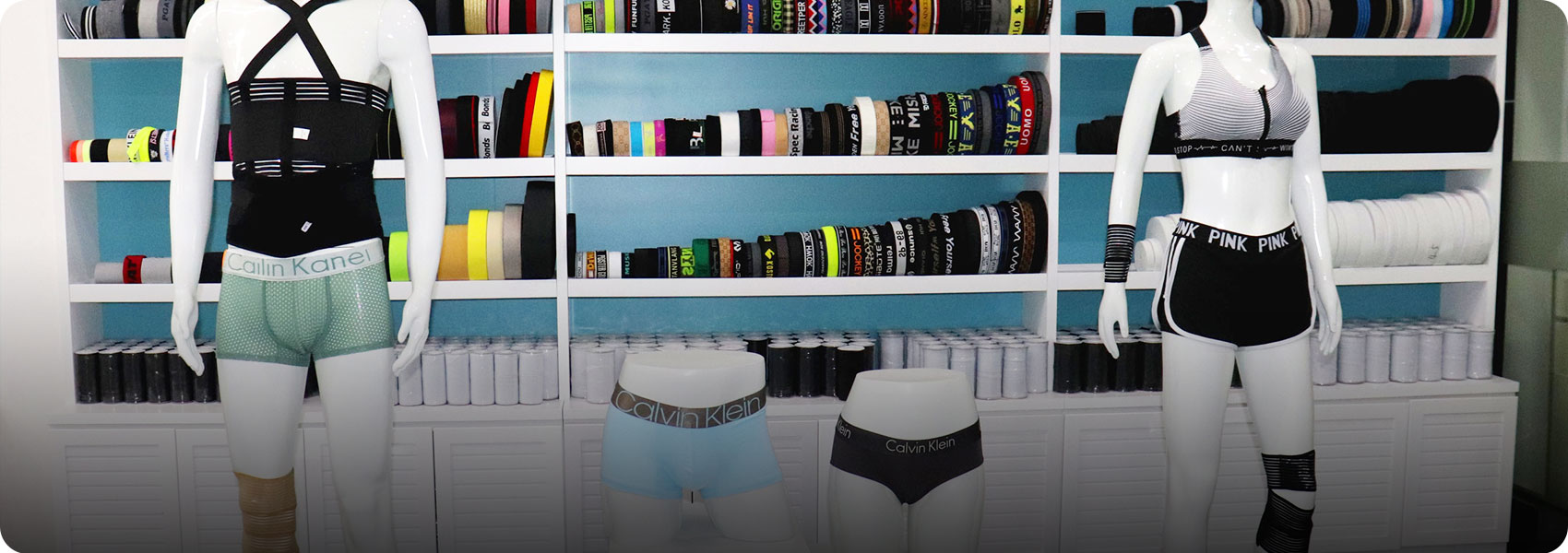
Used in sportswear, underwear, and functional clothing where movement flexibility and lightweight comfort are priorities.
This wider adoption creates new opportunities for buyers seeking customized elastic materials that meet specific product requirements.
OEM Customization for Different Market Requirements
International buyers often require more than standard elastic products. Different markets, production equipment, and product categories may require adjustments in width, elasticity, thickness, or packaging methods.
As a professional manufacturer, we provide OEM solutions based on customer specifications and application needs. During product development, technical communication helps identify the right balance between elasticity, softness, and processing performance.
Customized Mesh Elastic Band solutions can help brands and manufacturers develop differentiated products while improving production compatibility. This is especially valuable for companies managing large-scale manufacturing projects across multiple regions.
Choosing a Reliable Elastic Material Partner
For global procurement teams, supplier selection involves more than comparing product prices. Stability, technical support, and long-term cooperation are becoming increasingly important factors.
A dependable elastic material partner should provide consistent quality control, responsive communication, and the ability to support product customization. These factors help reduce production risks and create a more efficient supply chain.
With increasing demand for comfortable and functional products worldwide, Mesh Elastic Band continues to play an important role in helping manufacturers improve product performance, optimize production processes, and meet changing customer expectations.

+86-18767935551
+86-18395959909
+86-18767935551
saijia@sjelasticband.com
claiejin@sjelasticband.com
luffy@sjelasticband.com
3F, Building 6, No.151, Huasheng Road, niansanli Street, Yiwu City, Jinhua City, Zhejiang Province, China.
Copyright © Yiwu Saijia Garment Accessories Co., Ltd. All rights reserved.
Custom Elastic Bands
